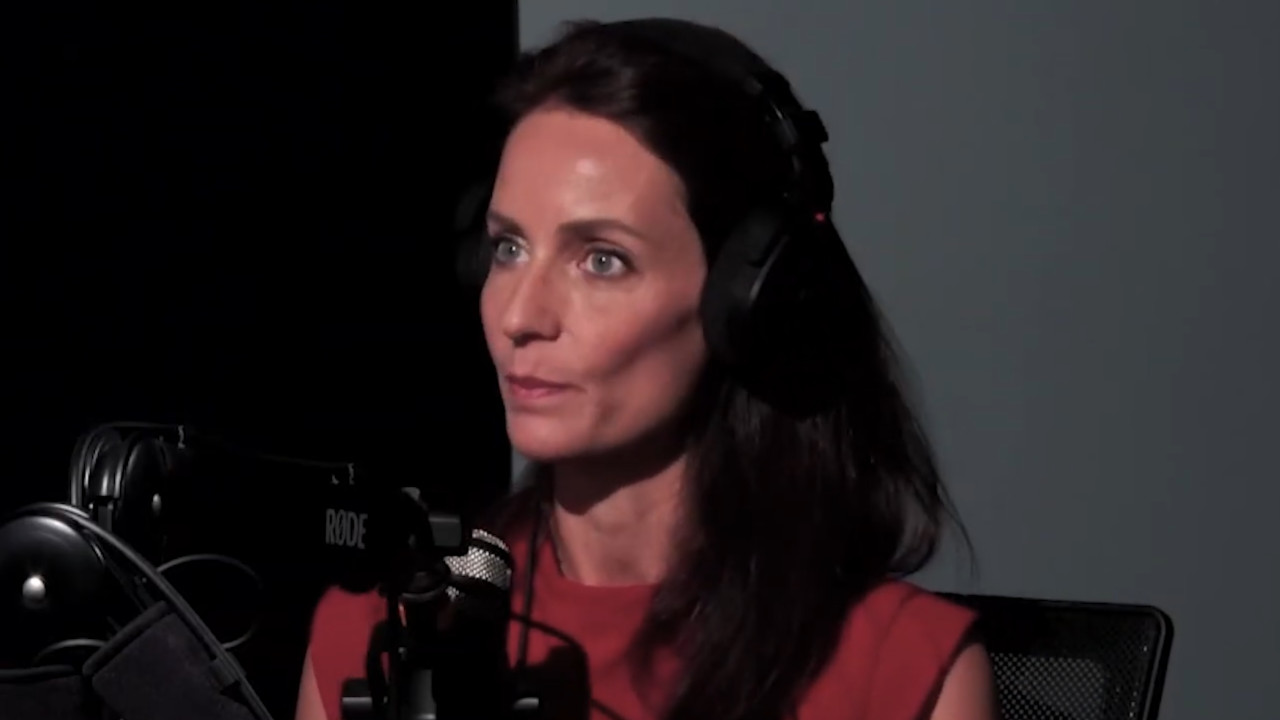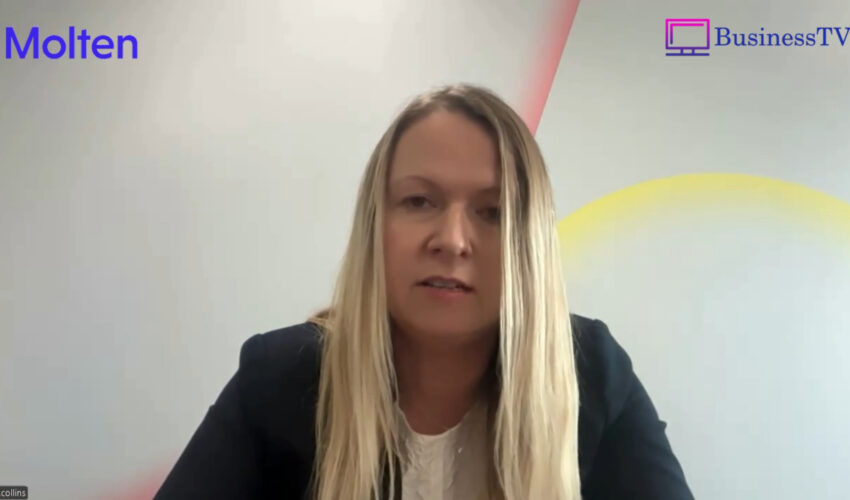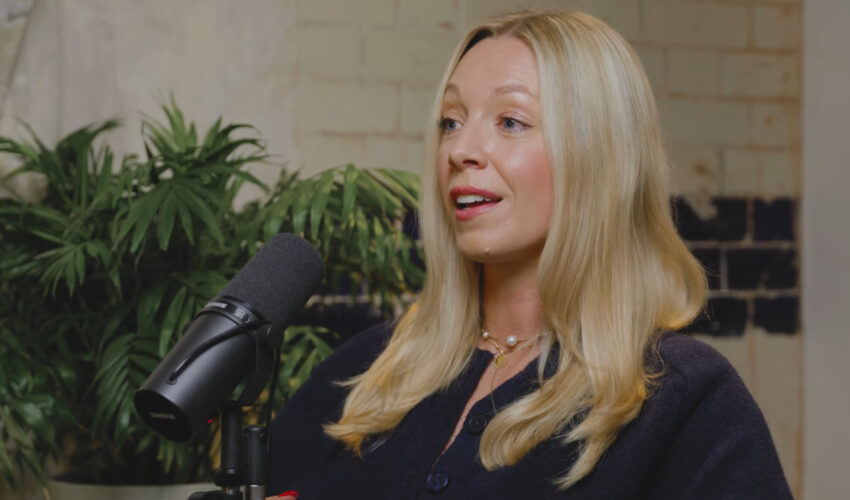
Investing in promising businesses with highly scalable products or services can potentially yield strong returns, especially considering the rapid pace at which high-tech sectors are moving these days. To encourage investment into the ‘cream of the crop’ of the UK’s most innovative companies HMRC offers investors some very generous tax breaks in return for the illiquid nature of these investments. In this conversation Lucy Collins, head of EIS investing at Molten Ventures, [you’ll find her impressive bio below], very kindly takes us through these investment incentives which include 30% Income Tax Relief, 100% CGT Relief on profits, Business Relief for IHT and even Loss Relief.
Q1] Does EIS serve as the logical next pillar in a sophisticated investment strategy?
Q2] Has EIS now become the standout choice for tax-efficient investing this year?
Q3] Will this expansion allow you to offer investors access to more established”scale-up” businesses than was possible in previous years?
Q4] What is the difference between ‘Early Stage’ investing and ‘Series A’ investing?
Q5] Could you walk us through the immediate cash flow benefit of the 30% income tax relief for a director looking to invest, say, £100,000?
Q6] How powerful is the100% Capital Gains Tax (CGT) exemption on profits for investors?
Q7] How can directors use the ‘Carry Back’ facility to effectively “rewrite” last year’s tax bill?
Q8] Dos this ‘Carry Back’ feature then influence how an investor may choose to invest?
Q9] How does EIS stand up as a tool for dealing with recent changes to IHT?
Q10] Lucy, EIS is often cited for its loss relief—can you explain for us how this works please?
Q11] And this loss relief is set agiant an individual company not the whole portfolio, is that correct?
Q12] How can company directors use EIS to indefinitely defer CGT liabilities?
Q13] Could you walk us through the £2 million annual limit for Knowledge Intensive Companies (KICs)?
Q14] And these investments allowances, for the individual, are annual, not total allowed amounts?
Q15] How does Molten identify the “cream of the crop” in UK innovation, and what specific sectors are currently showing the most promise?
Q16] It must be challenging to aligned everyone’s goals, the individual investor, the portfolio, the individual companies?
Q17] What do you find motivates investors Lucy, is it the tax advantages, or is there a “feel-good” factor?
Q18] What would be the first steps for someone looking to integrate an EIS allocation into their 2026/27 tax planning?
EIS Investing Explained: Strategic Investing & Tax Planning for Company Directors
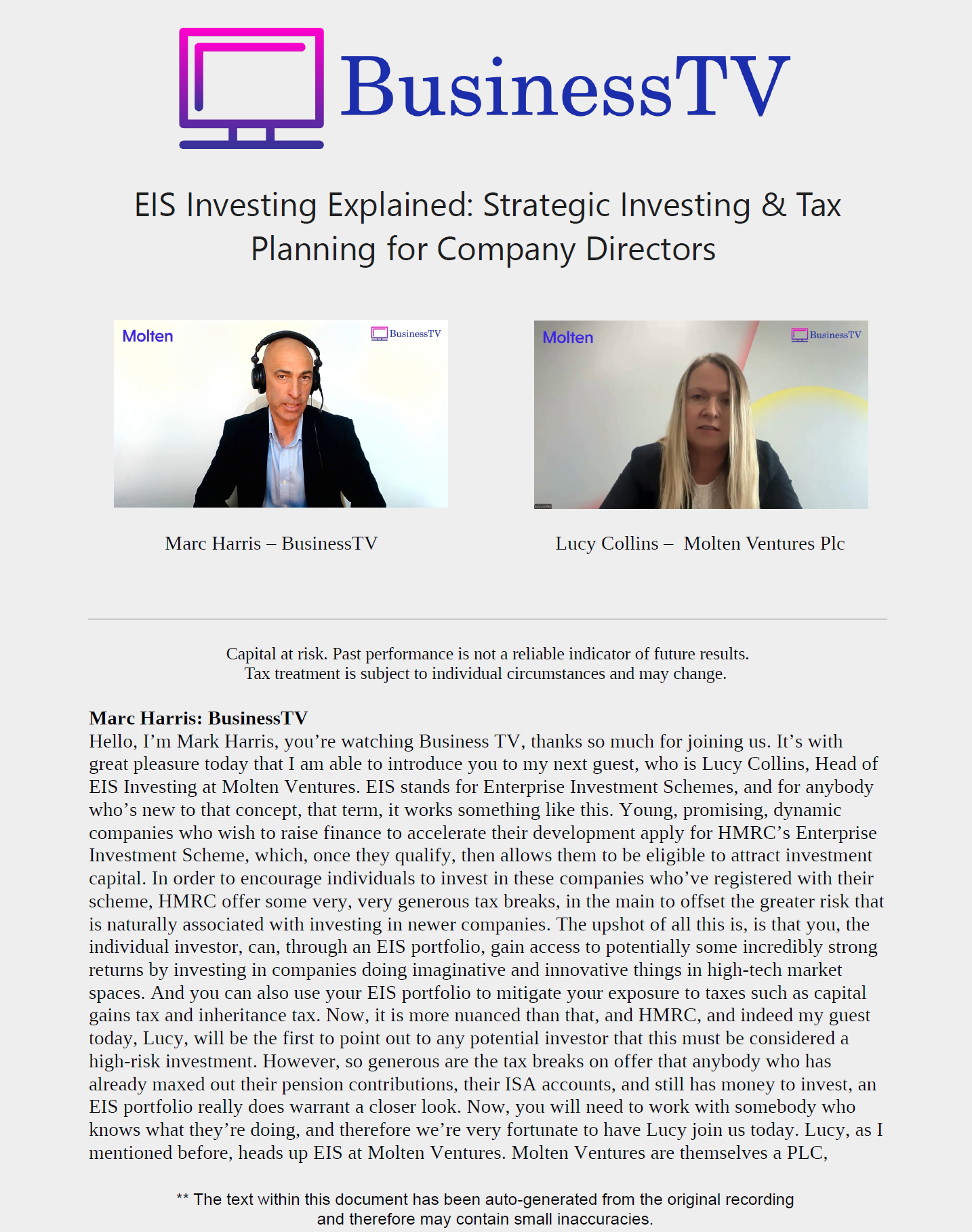
EIS Investing Explained: Strategic Investing & Tax Planning for Company Directors
*The text within this document has been auto-generated from the original recording and therefore may contain small inaccuracies.*
Capital at risk. Past performance is not a reliable indicator of future results.
Tax treatment is subject to individual circumstances and may change.
Marc Harris: BusinessTV
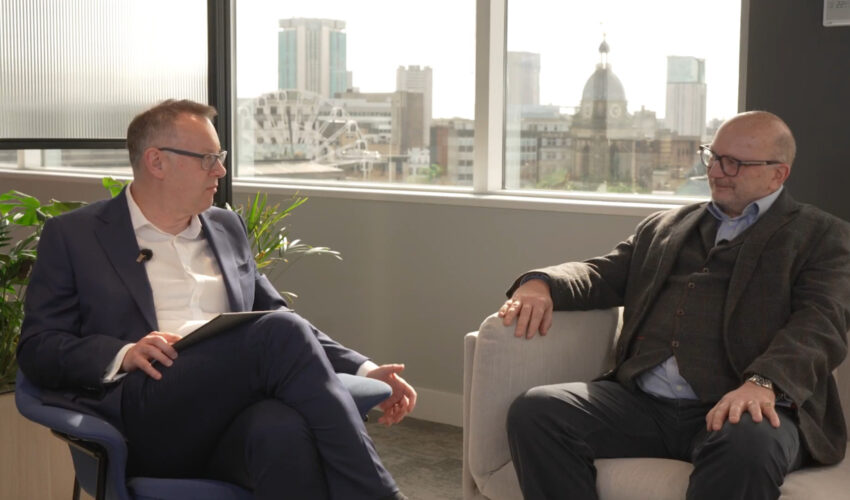
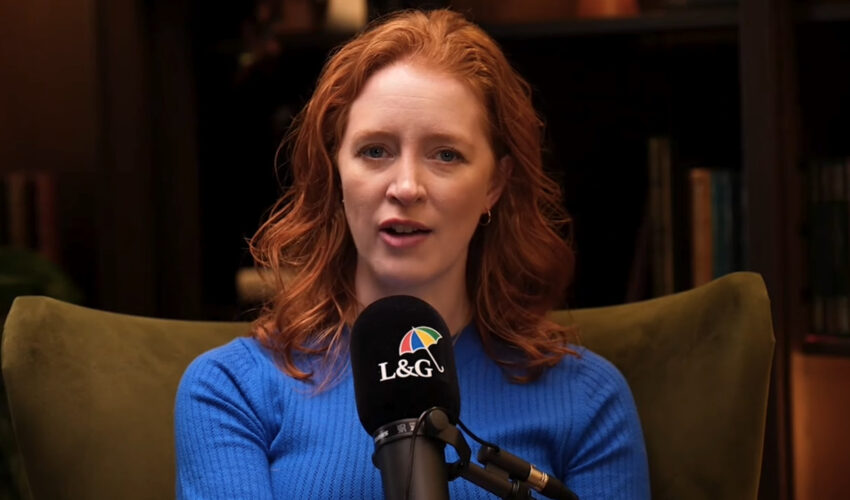
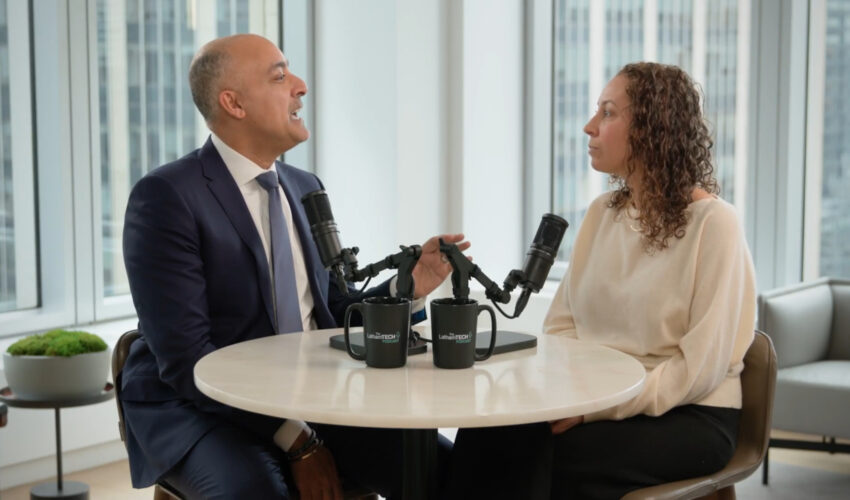
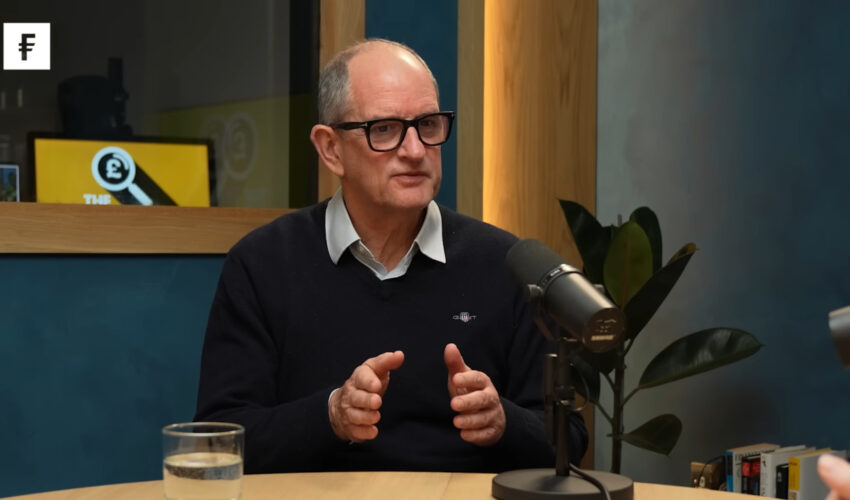
Hello, I’m Mark Harris, you’re watching Business TV, thanks so much for joining us. It’s with great pleasure today that I am able to introduce you to my next guest, who is Lucy Collins, Head of EIS Investing at Molten Ventures. EIS stands for Enterprise Investment Schemes, and for anybody who’s new to that concept, that term, it works something like this. Young, promising, dynamic companies who wish to raise finance to accelerate their development apply for HMRC’s Enterprise Investment Scheme, which, once they qualify, then allows them to be eligible to attract investment capital. In order to encourage individuals to invest in these companies who’ve registered with their scheme, HMRC offer some very, very generous tax breaks, in the main to offset the greater risk that is naturally associated with investing in newer companies. The upshot of all this is, is that you, the individual investor, can, through an EIS portfolio, gain access to potentially some incredibly strong returns by investing in companies doing imaginative and innovative things in high-tech market spaces. And you can also use your EIS portfolio to mitigate your exposure to taxes such as capital gains tax and inheritance tax. Now, it is more nuanced than that, and HMRC, and indeed my guest today, Lucy, will be the first to point out to any potential investor that this must be considered a high-risk investment. However, so generous are the tax breaks on offer that anybody who has already maxed out their pension contributions, their ISA accounts, and still has money to invest, an EIS portfolio really does warrant a closer look. Now, you will need to work with somebody who knows what they’re doing, and therefore we’re very fortunate to have Lucy join us today. Lucy, as I mentioned before, heads up EIS at Molten Ventures. Molten Ventures are themselves a PLC, having gone through a successful IPO in 2016. So, as a PLC, they’re already held to very high standards, and they are arguably the UK’s leading investor in EIS portfolios. They have been successfully picking and investing in Europe’s tech-rich startups for some 20 years now. So, please enjoy the interview, and before we begin, let me just remind you all, please, there’s loads of supporting content underneath this video as it plays on your screen. There are lots of links through to pages on Molten Ventures website where you can get an insight into the type of exciting companies that they are investing in, their existing EIS portfolio. You can learn more about how it works, and if you want to reach out to Lucy and her team, you’ll find a form there. So, please fill that out. It only takes a couple of seconds, and Lucy and a member of her team would be delighted to chat you through what they do. So, Lucy, nice to see you. Thanks so much for making the time for us today.
Lucy Collins: Molten Ventures
Thanks for inviting me to join you.
Marc Harris: BusinessTV
Pleasure, pleasure. Lucy, let’s get straight into it. For an investor who has perhaps already maxed out on their tax-efficient savings of pensions and ISAs being the obvious ones, does EIS investing then essentially form the next logical pillar of a sophisticated investment strategy?
Lucy Collins: Molten Ventures
Yes, I think for investors who are looking for some tax efficiency and have money that they can afford to put away for the longer term, then certainly they might look at either EIS or VCT investments as a way to get exposure to high-growth companies while getting some tax efficiency along the way.
Marc Harris: BusinessTV
So, with the budget just gone, Lucy, we have up-and-coming changes now to the tax relief available for VCTs, which will see Venture Capital Trusts, which you just mentioned have the relief on those being reduced from 30% to 20%. But of course, EIS is going to retain its 30%. So, does that mean then now as we come into April 2026 that EIS is going to be more attractive?
Lucy Collins: Molten Ventures
Yes, certainly. I think relative to VCTs next tax year, some investors are seeing EIS as more attractive. They’re slightly different investment vehicles in the sense that VCTs have more liquidity. EIS requires people to invest for the longer term. But certainly, if people are prepared to take that kind of longer term view, then the relative increase in the tax relief on EIS versus VCT could well be attractive for some.
Marc Harris: BusinessTV
And of course, following on again from changes that we’ve seen in the budget just gone in November, one of the very positive moves that we’ve seen is that the qualifying criteria for enterprise investment eligibility among those companies looking to attract investment finance that way has, in pretty much most metrics, doubled. So, does that now mean, Lucy, that you will be able in the future to offer investors an investment portfolio that includes perhaps more stable scale up businesses than perhaps was previously available?
Lucy Collins: Molten Ventures
Yes, I think certainly it will allow us to back a wider range of companies. Typically, we’ve always invested at the series A, series B stage of the EIS market, which is the later stage of that market. So, it’s a very positive development for our investment strategy in order to allow us to back companies for longer, put more capital into our companies that we’ve previously backed that are going really well, whereas previously we might have not been able to back them as they grew because their assets would have exceeded the previous 15 million limit. That’s now increased to 30 million. So, it gives us a lot more scope for both looking at slightly later stage investment rounds and also backing our winners further.
Marc Harris: BusinessTV
Yeah, absolutely. And just for the benefit of the uninitiated, when you say series A, series A sounds like the first round of investing, but clearly listening to how you explain that, that’s not the first round of investing. So, for the benefit of those who are new to this, what would the very, very early stage investing be called if it’s not called series A?
Lucy Collins: Molten Ventures
Typically you’d have a pre-seed round, which might be a bit of grant funding, friends and family funding, a couple of hundred thousand pounds to get a business off the ground. The first institutions might well come in at the seed stage. So, this would be funds such as university spin-out funds, things like that. Typically investing in companies where they might not have any revenue or very small amounts of revenue, doing proof of concept. We’re then investing at series A. If companies are in the software or health tech space then these might be companies with kind of one to three million pounds of revenue, looking to scale that to 10, 20, 30 million pounds before exiting. On the other side of our investment strategy, we’re doing more deep technology, things like quantum computing, these companies might not yet have revenue, but they would have some technological proof points that they’d achieved and be looking to scale up and get towards that next stage of their development, where they would either be acquired because of the technology they have or else start to sort of build that into commercial revenues. Series A would be typically institutional investors putting in two to ten million pounds, maybe more depending on the company. And then series B would be raising investment rounds of maybe 15, 20 million pounds or more to really scale those companies up to significant sized enterprises.
Marc Harris: BusinessTV
Let’s look at, if I could ask you to perhaps use an example of an investor investing 100,000, nice round numbers so I can keep up with them, with the explanation that you’re going to give. Let’s start with looking at that 30% income tax relief for an investor who’s investing 100,000 from their dividend income. Can you walk us through how that works in practice?
Lucy Collins: Molten Ventures
If you’re investing with a professional fund manager such as ourselves, an investor would give us the money up front, we put in a segregated client account, and we would then invest that money into a portfolio of probably eight or nine businesses, so that spreads the risk. Obviously, these are early stage companies, not all of them will go on to be successful, we would hope that some would grow significantly, some will return capital and some are likely to fail over time. So that investor would give us 100,000 pounds, we would then invest that in eight or nine companies, and then each time we invested in a company, they would get tax relief, say it was 10,000 pounds a company, they’d get a certificate for 3,000 pounds of tax relief, they can then put that onto their self-assessment return, they can carry it back to the prior year if they want to, and that then comes through on their return. They’re also able to use the capital gains tax deferral relief at the same time once they’ve got their certificate, so if they have a gain that they’ve previously made through selling some listed stocks or selling a business they can defer that gain by making an EIS investment, and then that will, that gain will recrystallise on exit, but it provides a significant cash flow advantage to be able to defer that gain.
Marc Harris: BusinessTV
Okay, and then concerning the capital gains tax, I’m right in saying that there’s 100% relief on the gains through EIS, so that must be very powerful for investors compared to other types of investments that they might be making, that 100% relief on CGT, that stacks up very favourably, does it not?
Lucy Collins: Molten Ventures
Yes, exactly, so any profits they make from selling their EIS investments are CGT-free, provided the investments continue to qualify through the lifetime, so if an investment were to make a return of two times, that would obviously be 100% profit. If they were paying CGT, they’re obviously subject to CGT at their prevailing rate on that, if it was a non-EIS investment, whereas for the EIS investment, it’s completely CGT-free.
Marc Harris: BusinessTV
And then there’s something called carryback, Lucy, how do people use the carryback facility to get a significant rewrite on last year’s tax bill?
Lucy Collins: Molten Ventures
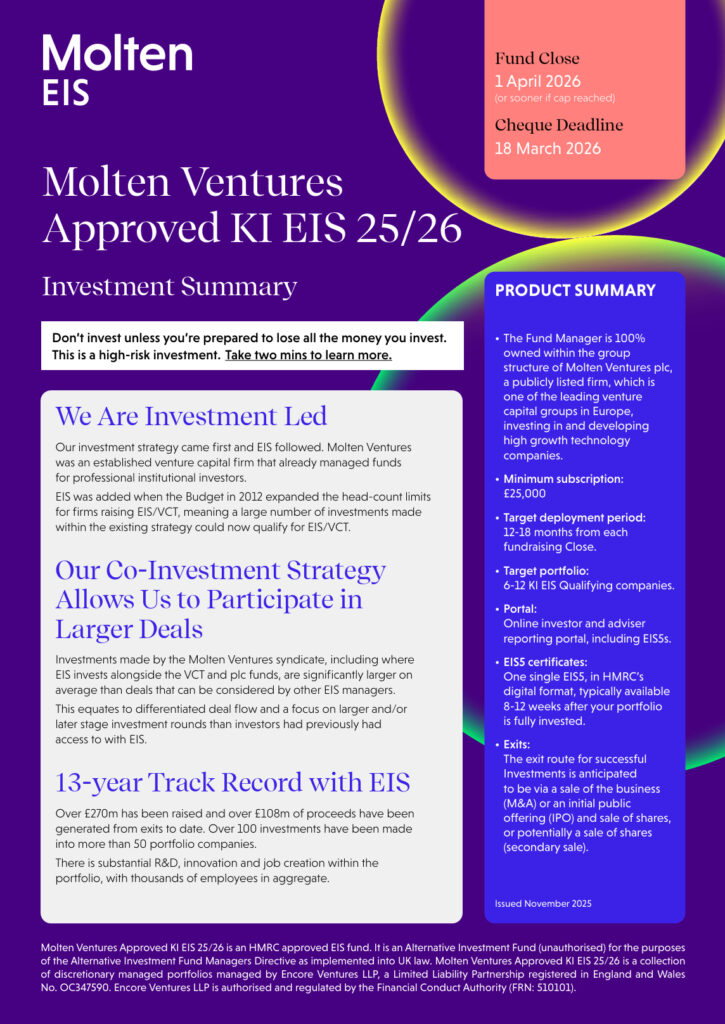
Yeah, so we have two types of EIS funds, we have one called an HMRC approved fund, which has a single closing date in the year, we choose the 1st of April, which is at the end of the tax year, and so if people invest in that, the tax point for their tax relief is the date the fund closes, so their EIS income tax relief would relate to the tax year in which the fund closes, which the upcoming closing we’ve got would obviously be the 25-26 tax year. Now, the government also allows them to carry that back against the prior year’s tax bill, so they can use that investment against their 24-25 tax bill, should they prefer, so that’s how they can use carryback. If they invest in our other fund, which has not got one single close date, but allows investors to subscribe through the year, so if they decide to make this investment in October, don’t want to wait until the following April for the closing of the approved fund, then what that means is that actually the date of the tax relief will be the date we put the money into the underlying investments, so if they were to invest halfway through the 25-26 tax year, for example, if the money was to go into companies in the following tax year, then the tax relief would relate to the tax year, but in those cases, they could always carry it back one tax year, so you can always carry it back one tax year or have it in the current tax year. But the approved fund, it’s in relation to the closing date of the fund, in the other type of EIS funds, it’s just relating to when the money gets put into the underlying companies.
Marc Harris: BusinessTV
And do you find then that depending on what the individual investor wants to do regarding that tax treatment, does that govern where they want to invest, or should it not be seen like that?
Lucy Collins: Molten Ventures
Well, with our funds, so we run both funds, and they co-invest alongside each other, so the investor will get a very similar portfolio of companies, depending on which fund they invest in, the difference is just the timing of certificates. The other thing that sometimes factors into people’s decision making is that for the approved fund, they get one EIS-5 certificate, so it’s all one certificate. For the unapproved, they would receive eight or nine certificates, one per investment, so it’s a bit more paperwork. But it depends where they are in the tax year and what their tax planning is, when they’ve made gains, all that kind of considerations that mean their advisor will be able to talk them through all the different permutations of when the tax is payable, et cetera, et cetera.
Marc Harris: BusinessTV
Okay. Well, good. Thanks for clarifying that, and obviously important decisions for somebody to make there. Inheritance tax has taken a bit of a beating. How is EIS stacking up for that? Is it equally bad news, or is it still quite robust?
Lucy Collins: Molten Ventures
Well, there have been changes in IHT across the board, as we know, obviously pensions will come into the IHT net from 2027. EIS investments, unquoted companies, are generally classed as business property investments, so people might have also seen that there’s also been some changes there. So they retain their 100% inheritance tax relief up to the first two and a half million of business property investments held by people. So if people are under that threshold, then it doesn’t actually make a difference in practice. But over the 2.5 million, it’s subject to a reduced rate of IHT of 20% on business property. So I think EIS still offers an interesting planning tool, particularly for those who don’t necessarily have a lot of other business property assets around.
Marc Harris: BusinessTV
Something that EIS is very well known for, and I’m just going to ask you to explain this for us, is this loss relief, which again seems like an extraordinarily generous advantage that investors can enjoy. Can you explain how, can you explain loss relief for us, please?
Lucy Collins: Molten Ventures
Yes, of course. So, as you know, the government is keen to encourage investments in these kind of businesses, and they acknowledge that not all of them will be successful. So in order to make it more attractive to investors, they brought in loss relief. I think a worked example is probably helpful here. So if one’s made an investment in a company of say £10,000, they’ve obviously had their £3,000 of tax relief upfront. So they’ve got a net cost of that investment of £7,000. If that investment were subsequently to fail, then they are actually able to set that loss of £7,000 off against their income tax for the year in which the loss is made, or the prior year, in fact. So what that means is essentially, if you’re an additional rate taxpayer, you can save 45% of that £7,000 against your tax bill.
Marc Harris: BusinessTV
Right. And those losses, just for clarity, those losses are against the performance of an individual company, not the overall aggregate performance of the portfolio that one’s invested in. Is that correct?
Lucy Collins: Molten Ventures
Yeah, that’s exactly right. So if you had a portfolio of nine companies, a typical venture capital outcome might be that three of them would be loss making. So you’d be able to claim your loss relief on those three companies. And that’s not offset against any profits elsewhere in the portfolio, because essentially what you’ve made is eight to nine separate investments, rather than with a VCT, for example, you’re investing in the VCT as a corporate vehicle. So the losses are offset against the gains within that vehicle. Because with EIS the investments are individual, what happens is each investment stands alone. If you get an exit from one investment, you get the proceeds back to you straight away. It’s not that you wait till all the investments are realised to get your investment returns or anything like that.
Marc Harris: BusinessTV
Right. OK, so that’s actually quite a significant distinction, isn’t it? And again, very, very generous. So its quite useful to understand that.
Lucy Collins: Molten Ventures
Yeah, I mean, conversely with VCTs, they are obviously a listed stock, investors can sell them after the five year holding period. So it’s horses for courses and people may prefer one or the other, depending on their own personal circumstances. But certainly for people who are less worried about liquidity and more worried about maximising their tax relief, then particularly with the changes, the EIS could be of interest to them.
Marc Harris: BusinessTV
Yeah, absolutely. And then also while we’re talking about all these extraordinary advantages, EIS being used to indefinitely defer CGT.
Lucy Collins: Molten Ventures
Yeah, so we see this sometimes with business owners or people who’ve sold significant share portfolios. What they can do is essentially reinvest those proceeds into an EIS. So say they got £100,000 of proceeds, they reinvest £100,000 into an EIS investment and they can defer paying any capital gain on gains made in the prior three years or one year post the date of investment. There’s quite a large window of gains to be deferred. And so they can defer that capital gain when the EIS investment subsequently sold, that gain recrystallises in the future year. But then they’ve got another four year window in which to reinvest those gains again into another EIS investment. And you do see some people whose strategy is to keep doing that until they die.
Marc Harris: BusinessTV
And can you tell us how knowledge intensive companies work? Because this is a special category of company available to EIS investors, isn’t it? Companies who are investing in perhaps patents or novel technologies, but this allows investors to invest even more into their EIS portfolios. Is that how it works?
Lucy Collins: Molten Ventures
Yes, that’s right. So an individual investor is limited to one million pounds of EIS investments per tax year. If they invest in knowledge intensive companies, that limit actually rises up to £2 million invested per tax year per individual investor. And typically, knowledge intensive companies would be those spending either 10% or 15% of their annual operating costs on research and development. And the reason there’s a more generous allowance given by the government is the policy objective of EIS is fundamentally to support innovative UK businesses to grow and scale and hopefully become international success stories.
Marc Harris: BusinessTV
And so just for clarity, does that mean theoretically that an individual investor can put £2 million into knowledge intensive companies and a million into companies that are not quite qualifying for that knowledge intensive certificate?
Lucy Collins: Molten Ventures
So they can put up to £1 million into companies that are not knowledge intensive, and then a further £1 million into knowledge intensive companies. So the first million can be into either knowledge intensive or not knowledge intensive. And then the additional million has to all be in knowledge intensive.
Marc Harris: BusinessTV
I see. But importantly, as you’ve just mentioned, this is an annual allowance. So of course, one can get a significant compounding effect if one keeps on investing that sort of money, if one has that sort of money available. These aren’t overall allowances for one’s EIS portfolio. This is something that one can do every year.
Lucy Collins: Molten Ventures
Yes exactly. The companies have a total allowance of what they can raise under EIS in their lifetime, whereas investors have an annual limit. And the lifetime limits companies can receive under EIS was doubled in the budget as well. So for knowledge intensive companies, they used to be able to raise £20 million over their lifetime, that’s actually doubled up to £40 million. So quite a generous amount to reflect the fact that these companies can need to spend a significant amount on research and development to be able to succeed in what they’re trying to do.
Marc Harris: BusinessTV
Thanks for taking us through all of those ins and outs, all of those specific tax advantages, because I think obviously for many people that will be a very exciting component of getting involved in EIS. You mentioned on a number of occasions, though, the sort of companies that one is investing in. And of course, that’s what Molten, that’s what you and your team at Molten Ventures have spent the last 20 years doing. So let’s talk a little bit about that process, because of course, there’s at any given point, there’s loads of startups, loads of innovative companies, loads of companies who have got potentially good prospects or great ideas and strong management teams. But of course, picking the right ones is all important. And that’s really where you guys start to get down into the granular detail of each of those companies. So, you know, talk us through that. How do you do that? What sort of technologies or areas are you investing in? What things do you guys have your eye on for the coming year, 2026, 2027? I mean, nobody’s got a crystal ball. But as far as you can forecast these things, what sort of things are you and your team looking at? And how do you pick the companies?
Lucy Collins: Molten Ventures
We’ve got a big investment team here full of people who specialise in different areas. So we’ve got quite a wide investment remit across the team because of those deep areas of expertise. We’re seeing lots of opportunities at the moment in the climate sector around data monitoring of things like renewable energy assets. The assets themselves are quite commoditised, but there’s real opportunities to optimise the performance of those assets. So that would be one area of focus. With the advent of AI that’s changing everything across the board. We’re not obviously investing in large AI models or anything like that, but we’re seeing a lot of our companies in the health space, for example, really looking at how they can use AI to really improve health outcomes in terms of cost, efficiency, patient outcome. All those three things can be improved alongside each other. So we’ve got companies that are looking at diagnostic use of AI, immune profiling with AI to improve things like transplant success rates and things like that.
Marc Harris: BusinessTV
And I point out to viewers at this stage that you’ve got an excellent page on your website where one can go through and look at all the different types of businesses that are currently represented in your EIS portfolio. I’m not sure if it’s comprehensive or not, but there’s many, many tens of companies there. And just going through each brief bio of the companies, it’s really, you are really investing in some fascinating businesses with great solutions, really scalable ideas as well that one can see if they take off and do as well as expected, going to really become hugely successful in international businesses really quite quickly, aren’t they? So it’s fascinating stuff. And the other thing I wanted to ask you about was when you’re investing in these companies, of course, every individual company that you’re investing in has got its own agenda and they’ve got their own timeline. And of course, they’re looking for an exit or looking to get to that next stage where they’re getting more capital. How do you align the interests of one, your portfolio, the companies that you’re looking to invest in, their strategies for bringing their own business to fruition, and of course, the individual investors who are looking to get at some point their money out of the whole exercise later down the line? Is that quite a complicated juggling act?
Lucy Collins: Molten Ventures
Yes, it is. And, you know, that is one of the flip sides of these generous tax advantages is you don’t know, you can’t predict with any certainty when these companies will be sold. But obviously, as a professional manager, we try and align expectations that at the outset that, we will typically be looking to hold companies for a target period of three to five years, what will happen is that a significant portion will hopefully exit within that three to five year window, and some of them will inevitably take longer because they’ll have hiccups on the way, or just won’t be the right environment to exit. But I think one of the things we can see is that if some of the companies are successful within that three to five year window, then we can start to return proceeds to investors. And that’s one of the reasons for having a diverse portfolio of eight or nine businesses that certainly expect a portion of them to invest to exit within that target window. But, you know, I think investors should always have that expectation that not all of them will and they may have to hold some of them for longer.
Marc Harris: BusinessTV
It must be a mixed bag of individuals that you’re dealing with. What are the sort of factors that motivate people is the idea of investing in fledgling, exciting UK businesses, something that people get sort of get a feel good factor out of, for example, perhaps helping future companies, feeling like they’re helping with the success of UK PLC on the international stage? Is there an element of that?
Lucy Collins: Molten Ventures
I think there’s definitely an element of that for a lot of our investors. Some of them are pretty purely tax driven and just looking at it from that point of view. I think a lot of them like to be involved with these kind of businesses. A lot of them are really interesting. We had a company that we invested in back in 2018 called Endomagnetics. That was a health care company, which was essentially had a technology for significantly improving the outcome of breast cancer operations by magnetic tracing of where the tumour was and also where it potentially spread to in terms of lymph nodes. When we first invested in that company, they’d done about 25,000 procedures. So they were someway along the road to proving that the technology worked, that surgeons would adopt it, but needed money to grow and scale that. So we gave them some EIS and VCT money in 2018. We then gave them a further investment in 2020. And then by 2024, that company had performed over half a million procedures worldwide. They were in 35 countries, really good adoption, showing real traction. And so a US health care company called Hologix came in and bought the company for $310 million. It was a good return for our investors. But a lot of them, I think, really appreciated the fact that their financial return came alongside that ability to improve patient care for the cancer patients significantly.
Marc Harris: BusinessTV
So some of their investments then really rewarding as well.
Lucy Collins: Molten Ventures
It’s one of the things that,I enjoy about my job is seeing these companies develop and hopefully succeed and really actually, change things.
Marc Harris: BusinessTV
What should be people thinking about when they when it comes to 2006, 2027 tax planning, what would their next steps be?
Lucy Collins: Molten Ventures
Well, obviously, if they have a financial advisor, they should go and talk with their financial advisor, some sophisticated investors might want to make their own decisions. We’re an FCA regulated firm, we have to put a lot of information on our offer memorandums. So there’s a lot of information available, both from our website or other EIS managers websites that they can download and take a look through. So I think spending a bit of time to understand whether it’s the right product for them is really important. You know, the tax relief is great, but you have to realise it’s illiquid. And there’s a sort of trade off for that. But if they’re looking for a sort of portion of their portfolio, you know, typically, it would be less than 10% of someone’s total portfolio in these kind of assets, because of the illiquid nature. So an investor would a look at the information, think about tax planning, you know, make sure you’ve they have got their numbers right. If people have got queries, they can always come and drop us an email or give us a call and we can talk them through it. But we’re not able to provide advice. We’re an investment manager. So, if they need advice, then they obviously can talk to a financial advisor as well about this. And a lot of advisors have become more knowledgeable about these kind of tax efficient products, because they’re an increasingly important component of people’s overall portfolios for higher rate or additional rate taxpayers.
Marc Harris: BusinessTV
Obviously, it’s a highly complex topic, encourage viewers, please to take a look at all the supporting content that you’ll find beneath this video, as it plays on your screen. We’ve got loads of links through to Molten Ventures website, where you can, as I said earlier, go through and look at the amazing portfolio of companies that they’re investing in. You can learn more about the topic yourself, you can look at the sort of various different tax advantages that EIS investing offers, which is all explained on Molten Ventures website as well. And of course, if you want to reach out to Lucy and her team, please use the form that you will find directly beneath this video as it plays. And you can fill out your details and only take a couple of seconds. And I’m sure Lucy and her team will be delighted, very interested to talk to you. So Lucy, thank you very much again for joining us on Business TV. Thank you.
Lucy Collins: Molten Ventures
Thank you very much.
Marc Harris: BusinessTV
Pleasure.
Please get in touch with Lucy and the EIS Team using this form

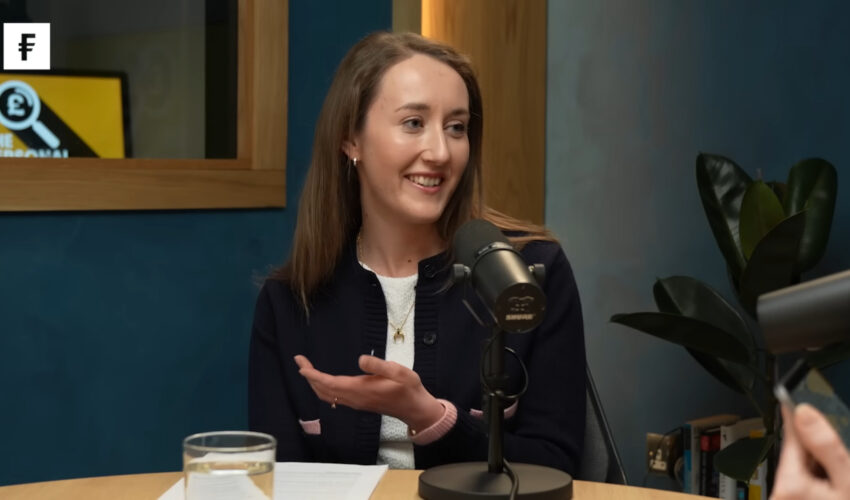
Lucy Collins
Head of EIS
Molten Ventures
Lucy is Head of EIS at Molten Ventures plc, a leading European venture capital firm that invests in disruptive, high growth technology companies from Series A and beyond. With over 20 years of experience in the EIS industry, Lucy has developed deep expertise across the full spectrum of tax-advantaged investing.
She is Deputy Chair of the EIS Association regulatory committee and is also a member of UK Private Capital’s EIS and VCT committee where she plays an active role in shaping industry policy.
Prior to working in the venture capital industry Lucy studied Physiological Sciences at Oxford University.


For twenty years, Molten has been backing the founders and innovators driving Europe’s technology transformation. We invest more than capital. We bring experience, energy, and partnership to help visionary companies scale faster and go further. Our mission is simple: to make more possible for the people building the future.
Capital at risk. Past performance is not a reliable indicator of future results.
Tax treatment is subject to individual circumstances and may change.



Learn more about Molten Ventures through the videos below
Investor Day 2026 | CEO Update – Ben Wilkinson
Molten EIS in a Minute
Investor Day 2026 | Healthtech Thesis with Inga Deakin
Investor Day 2026 | Energytech Thesis with George Chalmers