
Day-to-day spending and investment spending have generally increased in real terms in recent years. However, as a proportion of the economy, spending totals are below where they were in 2010-2011. That said, this year’s spending review includes many welcome increases that are sure to help boost our economy. For example, it’s great to see the focus on technology spending, and hopefully, this is matched by similar investment in the skills to use it wisely and in places where there are more significant cuts. Technology and AI should provide the catalyst to radically drive productivity. The delivery of great public services is important to us all, and we know many services aren’t as efficient as we’d like them to be. We hope that any reductions encourage government departments and cross-cutting missions to work more closely, reduce duplication, and find innovative solutions to tackle problems.
Now, hear from our experts across the team, who will share our views on the most significant impacts and the pressing challenges of the spending review.
It’s great to see £15.6 billion of funding for transport projects in the North. This will turbocharge economic growth outside London. However, it will also be a mammoth task to deliver. Regions need to develop the capability to ensure these projects deliver on time and within budget.
An increased investment in justice is vital, given the need to solve the prison crisis and reduce court backlogs. However, this is a real-terms cut over the last ten years, and any investment is playing catch-up to ever-increasing demands and pressures. Now is the time to think seriously about leveraging the use of technology and AI across the justice system to get the most value per pound spent.
Ahead of the ten-year health plan being published later this year, an increase in health spending is good news. This is investment that will benefit us all and have a positive knock-on impact on the wider economy. I’m most excited about the potential for digital and data investments, such as a single patient record, to deliver benefits for both patients and clinicians. Now, it’s critical that teams get on the front foot in the coming weeks and months and prioritize writing robust business cases with clear benefits.
It’s great to see the government’s commitment to the Warm Homes plan. This will make homes across the country warmer, greener, and cheaper to run.
The reality of the spending review for policing is that it will require a strong prioritization of the outcomes in the Safer Streets mission. This will mean some difficult decisions and targeted investments in the people, the tooling, and the technology that reduce the cost to serve and meet public expectations.
The UK Defence Spending Review will increase funding from 2.3% to 2.5% of GDP by 2027. This is the largest increase in a quarter of a century. But staying ahead demands more than just incremental improvements. There is a need for cutting-edge technology to stay competitive amidst ambitious goals. The key challenge will be whether this is enough to address the real threats facing the security of our nation.
The tighter settlements for policy departments like the Cabinet Office and HM Treasury mean they need to consider how they reduce costs over this Parliament. Rather than salami-slicing and opting for volunteers to exit from across the department, it should be a real opportunity to think strategically about what the department should be doing going forward and what needs to be stopped.
The announcement in the Spending Review that Sizewell C will go ahead is fantastic news. Combined with the news of Rolls-Royce as the technology partner for GBN, it gives the kind of confidence we need in both the nuclear industry and in the infrastructure delivery supply chain. Nuclear is a key part of the energy infrastructure strategy, so now, time and finding and developing the right skills are key to making it happen.
There are clear winners and losers from this Spending Review, but the biggest challenges facing government, including climate change, regional inequality, economic growth, and population health,1 don’t fit neatly into departmental boundaries. Going forward, putting top-down practical structures in place to support a mission-led approach to delivery will be vital.
Categories
Retail & E-commerceRelated Videos














How can organisations create purposeful supply chains in the consumer sector?
9504 views 12 June 2025






Consumer industry outlook: navigating economic trends and preparing for 2025
10238 views 7 January 2025








Discover the Ecodesign for Sustainable Product Regulations (ESPR) and what it’s all about.
18936 views 16 April 2024



Physical & Digital Fashion – Episode 3: The Uncertain Landscape of Fashion AI
6713 views 7 February 2024





Navigating the rapidly evolving US gaming landscape from direct tax & indirect tax perspectives
6601 views 18 December 2023


Investing and Trading with UK Tech Industries.

Do pension scheme trustees manage risk effectively?

Vodafone – Sponsors of BusinessTV

Time to talk about mental health at work

Business Negotiation Skills Training Course from the Chartered Institute of Marketing

Maximise your Export Potential

Popular

Preparing for Green Reforms: Impact on the retail sector
Mishcon de Reya LLP130011 views 18 July 2024

UK Foodstores: 5 things you should know
Knight Frank119362 views 18 March 2024

Salary Sacrifice for Pensions: Still a Powerful Tool But After the NI Changes Employers Need a New Game Plan
BusinessTV49055 views 12 January 2026

Grow your Pension, Buy Commercial Property, Invest in your Business.
BusinessTV47130 views 29 March 2025

Future-Proofing Your Wealth with Trusts and Family Investment Companies.
BusinessTV41889 views 9 December 2025

Funding the Sale of Your Business to an Employee Ownership Trust
BusinessTV40083 views 22 October 2024

Why every business needs an Active approach to Cyber Security
BusinessTV39994 views 8 June 2025

EIS Investing Explained: Strategic Investing & Tax Planning for Company Directors
BusinessTV37675 views 10 March 2026

Intellectual Property to Drive Growth, Access Funding and Improve Resilience
BusinessTV35115 views 19 January 2026

Enterprise Management Incentives: One of the best ways to retain and attract talent just got better.
BusinessTV33557 views 7 May 2026

Price Increase Management for B2B Companies
Simon-Kucher & Partners32278 views 15 March 2022

Tom Stevenson’s Q4 Investment Outlook
Fidelity UK31618 views 13 October 2022

Retailer pricing strategies
Simon-Kucher & Partners30881 views 31 August 2022

Greenification of Transport Webinar – The future of clean mobility in Europe
Fieldfisher28829 views 17 August 2022

What the new government means for business
CBI26252 views 15 July 2024

Promotion effectiveness for consumer goods companies
Simon-Kucher & Partners26078 views 19 August 2022

The Wealth Report 2022
Knight Frank25453 views 8 April 2022

Addressing the legal and tax issues for employers for hybrid and remote working
Ince25302 views 11 November 2022
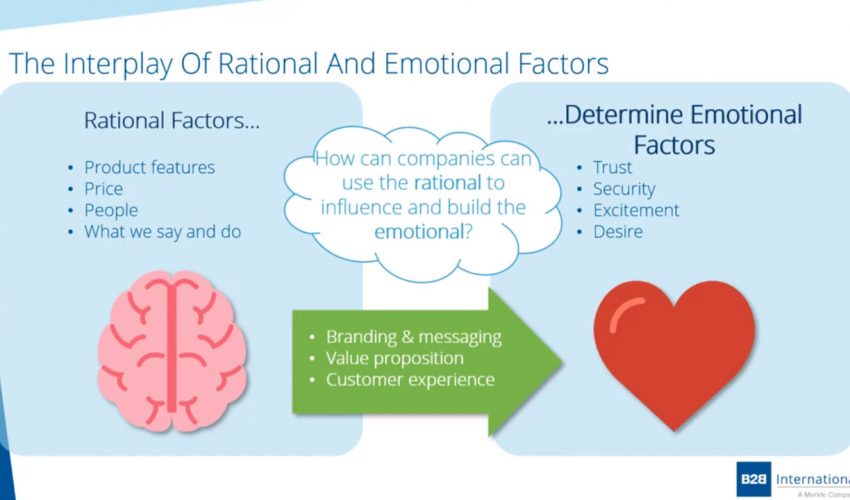
Winning With Emotion: How To Become Your B2B Customers’ First Choice
B2B International Market Research25258 views 1 November 2021

Looking beyond pay to help employees
Barnett Waddingham24828 views 20 December 2022
Latest Content

Taking Stock – After The Bell Podcast: Taking Stock of Your Finances
Quilter Cheviot10390 views 5 June 2026

Human rights in investing: What you need to know
Rathbones5252 views 5 June 2026

What big bank share buybacks tell investors
Killik & Co9216 views 4 June 2026

Renewable Energy for Farmers: Breaking Down the Complex Crossover Between Agriculture and Energy
Shakespeare Martineau3545 views 4 June 2026

Investment ready: how to build a business investors trust (and buyers value)
Harper James13604 views 3 June 2026

Business impact | Employee empowerment | Change readiness in an AI world
Chartered Institute of Personnel and Development6276 views 3 June 2026

C-suite barometer 2026: Navigating economic uncertainty
Forvis Mazars10769 views 2 June 2026

2026 Top Cybersecurity Trends: What CISOs Need to Know
Gartner12961 views 2 June 2026

EY UK Economic Outlook – Spring 2026
EY UK&I16296 views 1 June 2026

2026 priorities for insurance sector
Grant Thornton8576 views 1 June 2026

Art of advice: Elizabeth Bird and Andrew Teeman on high-net worth planning and later life lending
Legal & General8292 views 29 May 2026

Dr Daniel Hulme: AI and the entrepreneur
Rathbones6157 views 29 May 2026

FutureProof: Artificially negligent?
Mills & Reeve5706 views 29 May 2026

Pension Savings Pathway, Longevity Stats Update, The Rise of the Finfluencer & More | Pensions in 10
Broadstone11590 views 28 May 2026

Understanding salary vs dividends
Azets UK8299 views 28 May 2026

Semafor World Economy Summit: Greg Case on Geoeconomics of AI
Aon3510 views 28 May 2026

The value of trade marks – IPO meets the British Brands Group
Intellectual Property Office UK6204 views 27 May 2026

Tokenisation and trust
HSBC9260 views 26 May 2026

How to find your voice and keep imposter syndrome under control
The Chartered Institute of Marketing4440 views 26 May 2026

Talking Heads – Flows into core equity ETFs hold up amid Middle East conflict
BNP Paribas Asset Management5590 views 22 May 2026

How leaders sustain momentum and protect their people in an era of transformation overload
PA Consulting13534 views 22 May 2026

The UK Crypto Regime — Why Firms Need to Move Now
Latham & Watkins7319 views 21 May 2026

Trust in AI Is Falling…What Happens Next?
Gartner9489 views 21 May 2026

Breaking down the walls on giving clarity to customers, and confidence to advisers
Legal & General4135 views 20 May 2026

Don’t get caught out: 2026 Employment Law update
IOD6925 views 20 May 2026

The IP Driven Start-up: Episode 3 – Why deep-tech ventures can fail
Marks & Clerk14472 views 19 May 2026

Food in Flux: The impact of global events on the food chain | Part 1 | with Sarah Calcutt
MHA UK6939 views 19 May 2026
Global private equity report 2026: Matthieu Boyé and Scott Linch
Forvis Mazars6884 views 19 May 2026
Apprenticeships Explained: What’s Changed and What It Means for Employers and Apprentices
Make UK - The Manufacturers' Organisation10697 views 18 May 2026

The Role of Grid Connections in Planning Applications
DLA Piper5444 views 18 May 2026

Performance and VFM & Ping-Pong! | Pensions in 10
Broadstone8823 views 15 May 2026

How do we turn AI ambition into a national advantage?
Deloitte3512 views 15 May 2026

Four generations, one workplace. Clash or catalyst? | Alternatively Speaking #5
Grant Thornton8357 views 14 May 2026

Perspectives: Beyond the dollar
HSBC15102 views 14 May 2026

Pension contributions as you approach retirement
Legal & General6326 views 13 May 2026

Commercial growth in a fragmented world
Simon-Kucher & Partners8299 views 13 May 2026

Beyond the bot: Scaling AI agents across the enterprise
Capgemini11459 views 12 May 2026

Taking Stock – After The Bell: Money on Your Mind
Quilter Cheviot4750 views 12 May 2026

Scaling SaaS videos: SaaS valuations explained
Moore Kingston Smith LLP5278 views 11 May 2026

What’s going to build confidence in the UK Rural real estate sector?
Savills8324 views 11 May 2026

Double tax? 9 steps to tackle the IHT change coming for your pension
Fidelity UK8237 views 8 May 2026

SPP Beginner’s Guide to Pensions Fraud and Scams
The Society of Pension Professionals4521 views 8 May 2026
Enterprise Management Incentives: One of the best ways to retain and attract talent just got better.
BusinessTV33557 views 7 May 2026

Protecting portfolios | Investment Update, April 2026
Rathbones11140 views 6 May 2026

What do the Middle East developments mean for UK businesses?
PwC14366 views 6 May 2026

What makes AI and digital transformations fail commercially?
Simon-Kucher & Partners8594 views 5 May 2026
How is real estate managing climate risk at scale?
Jones Lang Lasalle5005 views 5 May 2026

Perspectives: Energy shocks and security
HSBC10746 views 1 May 2026

The IP Driven Start-up: Episode 2 – What investors really look for
Marks & Clerk13010 views 1 May 2026

What’s Next for Manufacturing? | Stuart Weekes Talks with Jonathan Dudley
Crowe UK12687 views 30 April 2026
The big April 2027 pensions rule change
Killik & Co8428 views 30 April 2026

Making News – Navigating the energy crisis
Make UK - The Manufacturers' Organisation13570 views 29 April 2026

Quarterly Market Review for Charities – Q1 2026
Rathbones7256 views 29 April 2026

Raising standards of trusteeship and governance
The Pensions Regulator10766 views 28 April 2026

How the next wave in AI will transform market infrastructure
Oliver Wyman7089 views 28 April 2026

Pensions Perspectives Episode 8 – A new pensions act is imminent! What do you need to know?
Willis Towers Watson13786 views 27 April 2026

Food & Agribusiness AM: breakfast briefing session
Mills & Reeve5254 views 27 April 2026

Let’s talk antitrust | The online food delivery cartel
Norton Rose Fulbright8461 views 24 April 2026

Pensions Bill, Triple Lock Speculation & Fresh Calls for Contribution Hikes | Pensions in 10
Broadstone11690 views 24 April 2026

Social Housing Know How – Series 3: Fraud Prevention & Governance in Practice
Menzies5981 views 24 April 2026

From searchless retail to AI decision‑making | Agentic commerce
Capgemini8378 views 23 April 2026

Very important: Inheritance Tax UK rules may change in 2026 — most people aren’t prepared
Bluebond6739 views 23 April 2026

Treat the business of sustainability like any other business
The Carbon Trust6920 views 22 April 2026
The European Battery Energy Storage System (BESS) economy
Fieldfisher11840 views 22 April 2026

Agriculture and Planning Experts Discuss Natural Capital for Farmers
Shakespeare Martineau3303 views 22 April 2026

Smart investors use these investments for income – here’s how
Fidelity UK9399 views 21 April 2026

What’s the biggest shift in UK public sector tech procurement?
BaringaPartnersLLP5979 views 21 April 2026

The IP Driven Start-up: Episode 1 – the real story of commercialising university research
Marks & Clerk8478 views 20 April 2026
Real Estate in 2026: Trends, Risks and Opportunities
Grant Thornton16118 views 20 April 2026

Your workplace pension – the easiest way to build wealth?
Legal & General6381 views 17 April 2026
Growth to withstand Mid East conflict | Monthly Investment Insights
Zurich Insurance Group13640 views 17 April 2026

The new unfair dismissal era What employers must know
HR Solutions8369 views 17 April 2026

Japanese Corporate Governance Explained | Early-Stage Reform & Boardroom Insights
IOD4670 views 16 April 2026

Is AI eroding creativity?
The Chartered Institute of Marketing14691 views 16 April 2026

The Macro Brief – Tracking economic disruption
HSBC11575 views 15 April 2026

Economy and investment webinar – March 2026
Forvis Mazars10776 views 15 April 2026

Tuned in: How customer listening creates actionable insights
Huthwaite International7662 views 15 April 2026

Customers Don’t Reject AI…They Reject Being Dehumanized | Gartner CIO Leadership Forum
Gartner17101 views 14 April 2026

What does the UK’s new Employment Rights Act mean for your business?
Saffery12856 views 14 April 2026

SPP Insights: Private Market Investment
The Society of Pension Professionals6416 views 14 April 2026

Data Center Insights – Leasing Data Centers in a Fast-Moving Market
Latham & Watkins8360 views 13 April 2026

Fake reviews and pricing under the DMCCA spotlight
Gowling WLG13064 views 10 April 2026
How to make your cash reserves work harder
Killik & Co8323 views 10 April 2026

The Sovereign Sessions: Enforcement against sovereigns
Norton Rose Fulbright4975 views 9 April 2026

Emma Vaughan | Protection from every angle: Never compromising on the safety net
Legal & General6644 views 9 April 2026

Taking Stock – After The Bell Podcast: A Candid Conversation with the QC CEO
Quilter Cheviot6045 views 8 April 2026

Salary Sacrifice Cap, Transition Pathways & Impersonation Fraud | Pensions in 10
Broadstone13590 views 8 April 2026

AI strategy: does scrappy speed beat corporate caution? | Alternatively Speaking #4
Grant Thornton8609 views 7 April 2026

HR People Pod – Ep 45: The problem with pay secrecy | Pressure-proof managers | Are PIPs broken?
Chartered Institute of Personnel and Development5605 views 7 April 2026

AI in Banking at executive level: Governance, safety and the future of work (ING COO/CTO)
ING4103 views 6 April 2026

Understanding the New Trustees’ Annual Report Requirements | SORP 2026 Explained
UHY Hacker Young5041 views 6 April 2026

Investment Insights Webinar – Q1 2026
Rathbones15486 views 2 April 2026

COO Network podcast – The tyranny of the urgent: How COOs stop the firefighting loop
BaringaPartnersLLP13771 views 2 April 2026

The 2026 macro reset: Energy price hikes | What’s brewing? With Matt and Guy
Zurich Insurance Group18645 views 1 April 2026

What’s going to build confidence in UK real estate? | The Market in Minutes
Savills12831 views 1 April 2026

How Brand Research Drives Smarter B2B Acquisitions with Trevor Glue, Marketing Director at Ricardo
B2B International Market Research8762 views 1 April 2026

Smarter energy management in 2026
Duncan Toplis6482 views 31 March 2026
Talking Heads – Electrification and AI turbocharge clean energy outlook
BNP Paribas Asset Management5341 views 31 March 2026

Pension Scams Action Group webinar: Join the fight against pension fraud 2026 v1.0
The Pensions Regulator11777 views 30 March 2026

RIPE | Employment Rights Act: what’s next?
Freeths7360 views 30 March 2026

Spring Meetings: What Trustees Need to Know | Pensions in 10
Broadstone5862 views 27 March 2026

The ‘set-and-forget’ funds I’m buying for the next decade
Fidelity UK7817 views 27 March 2026

AI Unscripted bonus episode – 2026 AI Business Predictions
PwC8566 views 26 March 2026

Brand Vulnerability: What does the world see when they look at your Domain Name
Thames Valley Chamber of Commerce12856 views 26 March 2026

Why internal buy-in makes or breaks deals | Mastering Sales & Negotiations
Huthwaite International10020 views 25 March 2026

The ORA Journey: lessons, tips, and the road ahead for Own Risk Assessment
Barnett Waddingham6430 views 25 March 2026

SRS and what it means for UK business: a practical briefing
Saffery10802 views 24 March 2026
No APIs, No AI: How Software Engineering Must Change
Gartner8418 views 24 March 2026

Helping you understand the FCA’s 2026 rules on non‑financial misconduct
Grant Thornton6848 views 23 March 2026

SPP Beginner’s Guide to Investment
The Society of Pension Professionals5101 views 23 March 2026

HR People Pod – Ep 44: Crisis leadership | Impact of employee benefits | Friction-maxxing at work
Chartered Institute of Personnel and Development5600 views 20 March 2026
12 basic tips for investors
Killik & Co6433 views 20 March 2026

Make UK National Manufacturing Conference 2026 – Economic Keynote speech by Jon Sopel
Make UK - The Manufacturers' Organisation11586 views 19 March 2026

From attention to experience: The latest shift in brand strategy
The Chartered Institute of Marketing6610 views 19 March 2026

AI for Charities: Practical applications, risks and opportunities
Rathbones4917 views 18 March 2026

Understanding share-based payments
Azets UK6695 views 18 March 2026

Market update: navigating another year in the ‘Turbulent Twenties’
Canaccord Wealth8673 views 17 March 2026

Navigating global talent: How UK businesses attract, move & retain talent worldwide
Moore Kingston Smith LLP7467 views 17 March 2026

People Matter: Settlement
Mills & Reeve5244 views 17 March 2026

How to mitigate evolving risk and keep pace with regulation
PwC8283 views 16 March 2026

Premium Bonds: who should buy them – and who shouldn’t?
Fidelity UK9305 views 16 March 2026

RE-imagine Real Estate: Ep.2-SEA & Malaysia Property Outlook 2026 | JLL
Jones Lang Lasalle3775 views 16 March 2026

Investigations: Finding Clarity, Not Certainty
Grant Thornton6362 views 13 March 2026

The Pensions Risk Transfers – 2026 market outlook
Legal & General8387 views 13 March 2026

Market Update Q1 2026
Gardiner & Theobald8576 views 12 March 2026

Outline Webinar: The Planning and Infrastructure Act 2025
DLA Piper6417 views 12 March 2026

Pensions Perspectives Episode 1: UK Autumn Budget 2025
Willis Towers Watson6383 views 11 March 2026

Exporting to the EU in 2026: VAT Changes & Regime 42
Thames Valley Chamber of Commerce11946 views 11 March 2026
EIS Investing Explained: Strategic Investing & Tax Planning for Company Directors
BusinessTV37675 views 10 March 2026

Key changes to inheritance tax: What family businesses need to know
Moore Kingston Smith LLP16445 views 10 March 2026

Breaking Ground: 2025 building safety round up
Mills & Reeve6764 views 10 March 2026

The Sovereign Sessions: Managing sovereign risk
Norton Rose Fulbright4552 views 9 March 2026

AMATS 2025 Reflection and 2026 Outlook
Aon10893 views 9 March 2026

Is a crisis mindset holding businesses back? | Alternatively Speaking #3
Grant Thornton12037 views 6 March 2026

Taking Stock – After The Bell Podcast: Bricks over Bytes
Quilter Cheviot6381 views 6 March 2026

FRS 102 – understanding changes in financial reporting
Saffery9819 views 6 March 2026
Financial Education | Pensions in 10
Broadstone8403 views 5 March 2026

Training should not be a tick-box (Root Cause Analysis – Episode 17)
Make UK - The Manufacturers' Organisation4517 views 5 March 2026

The LathamTECH Podcast: Trade Secrets — The New Litigation Battleground
Latham & Watkins9460 views 4 March 2026

SPP A Beginner’s Guide to AI in Pensions
The Society of Pension Professionals5434 views 4 March 2026

Optimising the UK prudential framework: Basel 3.1 and beyond
PwC10582 views 3 March 2026

Why investors may rue the return of “Off Balance Sheet Finance”
Killik & Co7804 views 3 March 2026
Zero-Rated & Exempt – VAT Myths
Price Bailey5845 views 2 March 2026

Helping you prosper: Turning carbon reporting into a business opportunity
UHY Hacker Young4019 views 2 March 2026

Understanding changes to UK GAAP
Azets UK9340 views 27 February 2026

Selling your agency: Turning AI capability into agency value
Moore Kingston Smith LLP7753 views 27 February 2026

CIPD’s Reward survey: Focus on employee benefits 2026 report
Chartered Institute of Personnel and Development13423 views 26 February 2026

Preparing for the Employment Rights Bill – What Employers Need to Know
Henderson Loggie4499 views 26 February 2026

Global paradox: Geopolitical bluster & booming financial markets | What’s brewing? With Matt and Guy
Zurich Insurance Group11688 views 25 February 2026

ECCTA compliance series: Risk Assessment
Fieldfisher3544 views 25 February 2026

The double negotiation: the art of the internal and external deal | Mastering Sales and Negotiations
Huthwaite International7596 views 24 February 2026

Space X buys Xai, a new boss for Disney and why NS&I premium bonds are so popular
AJ Bell6423 views 24 February 2026

2026 financial services regulation trends to watch
EY UK&I12945 views 23 February 2026

IT Operations Are Not Ready for AI Agents: How to Respond Today
Gartner5497 views 23 February 2026

Taking Stock – After The Bell Podcast: Dog on a Lead
Quilter Cheviot8607 views 20 February 2026

Let’s talk antitrust | The Nissan Iberia case
Norton Rose Fulbright4504 views 20 February 2026

COO Network podcast – COOs as translators: Bridging the boardroom and the business
BaringaPartnersLLP9224 views 19 February 2026

BS EN ISO 14001:2026 Environmental Management Systems: What’s New?
British Standards Institution (BSI Group)6701 views 19 February 2026

The fundamentals of Customs & Duty
Azets UK12577 views 18 February 2026
Regulatory Initiatives Grid & Risk Transfer Market | Pensions in 10
Broadstone5431 views 18 February 2026

Why don’t UK investors like UK companies?
Fidelity UK11669 views 17 February 2026

CFAAR Panel Special – Global Warming or Another Crypto Winter?
Grant Thornton5370 views 17 February 2026

The creative strategies defining brand success in 2026
The Chartered Institute of Marketing6717 views 16 February 2026
Mastering VAT Recovery: Process, Pitfalls & Practicalities
Saffery10772 views 16 February 2026

US dollar forecast 2026: Stable or stormy? | Monthly Investment Insights
Zurich Insurance Group11866 views 13 February 2026

How to plan for the new tax year
Moore Kingston Smith LLP16678 views 13 February 2026

Transforming IT Operations in the Era of AI Agents
Gartner8801 views 12 February 2026
eATA 2026: Navigating the Transition to Digital ATA Carnets
Thames Valley Chamber of Commerce6907 views 12 February 2026

A landmark report to guide financial institutions through emerging legal and regulatory challenges
A&O Sherman12778 views 11 February 2026

Finance Leaders Barometer – Public Sector Results
Grant Thornton8487 views 11 February 2026

Is it time to reset supply chains?
Deloitte11359 views 10 February 2026

Employment Rights Act Webinar
Menzies6751 views 10 February 2026

Winter webinar: Unwrapping investment opportunities for 2026
Canaccord Wealth10884 views 9 February 2026

Clean Tech and AI
Withers & Rogers6157 views 9 February 2026
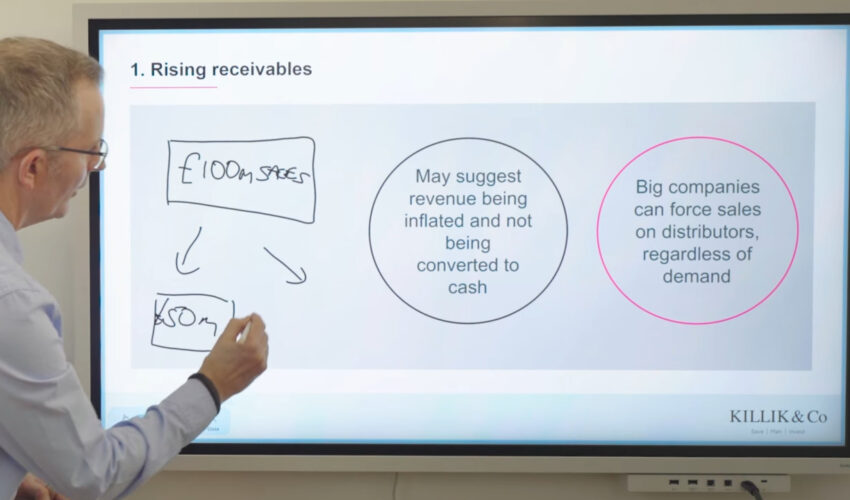
Six investing red flags (from the private credit world)
Killik & Co11750 views 9 February 2026

FT’s Jonathan Guthrie: this is the truth about investing
Fidelity UK15711 views 6 February 2026

Building foundations in a world chasing what’s next: HR People Pod – Ep 41
Chartered Institute of Personnel and Development6744 views 6 February 2026

Food & Agribusiness AM: Sustainability regulations – what food producers need to know
Mills & Reeve5046 views 5 February 2026

CharitEpulse: Diversity, disclosure and debt
Moore Kingston Smith LLP3483 views 5 February 2026

Let’s talk antitrust | Economic growth, UK merger control reforms
Norton Rose Fulbright9200 views 4 February 2026