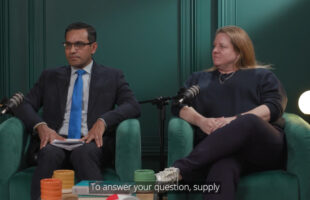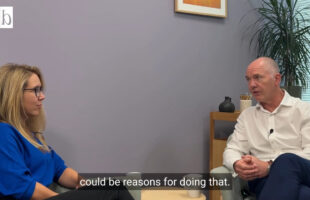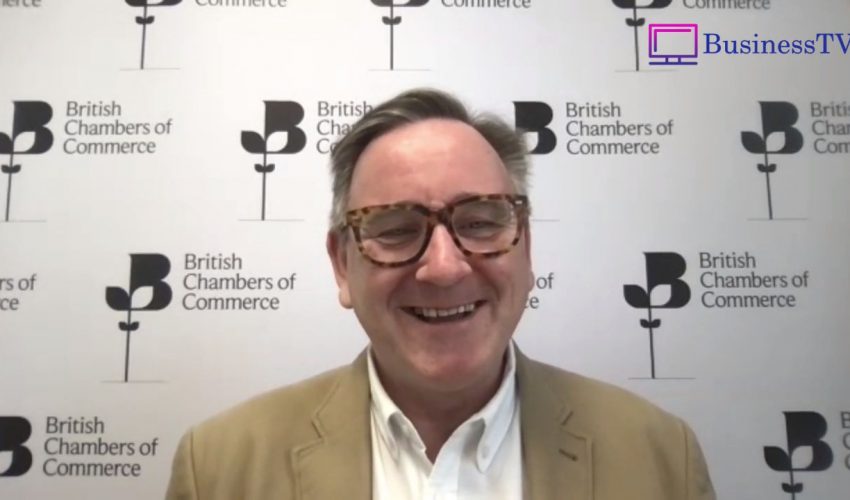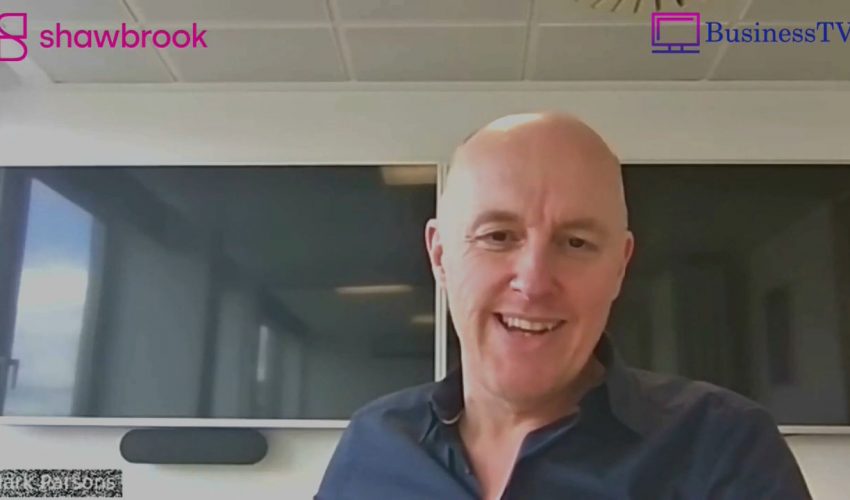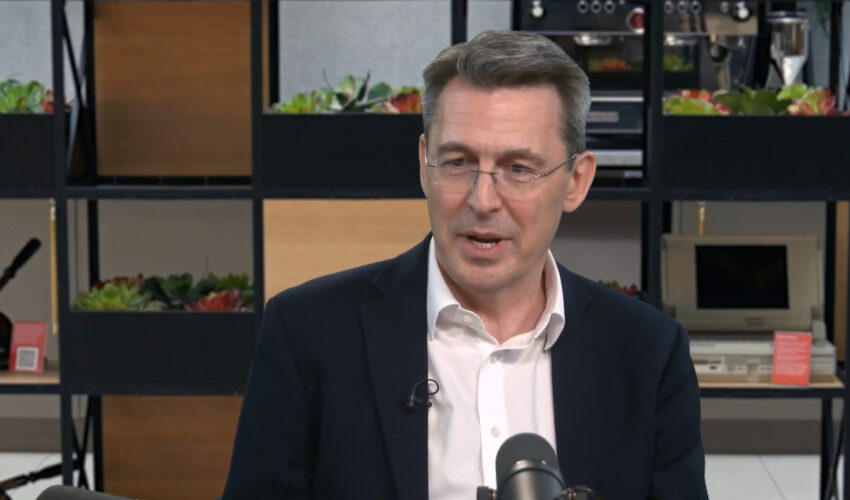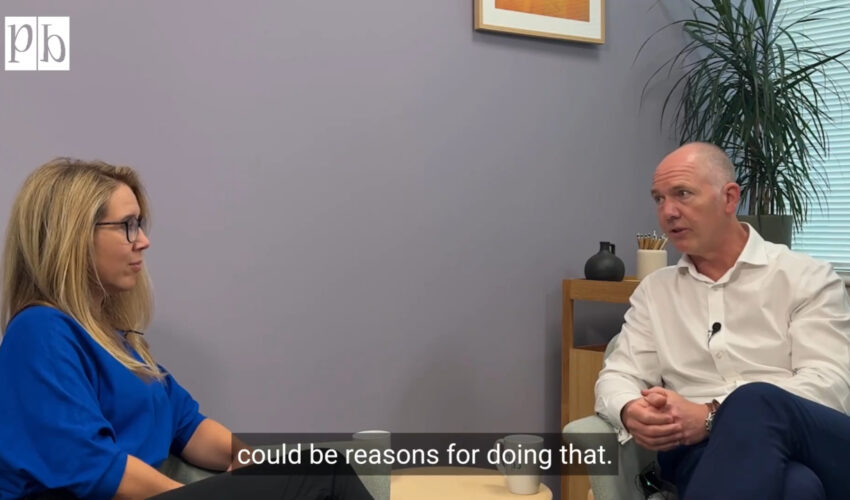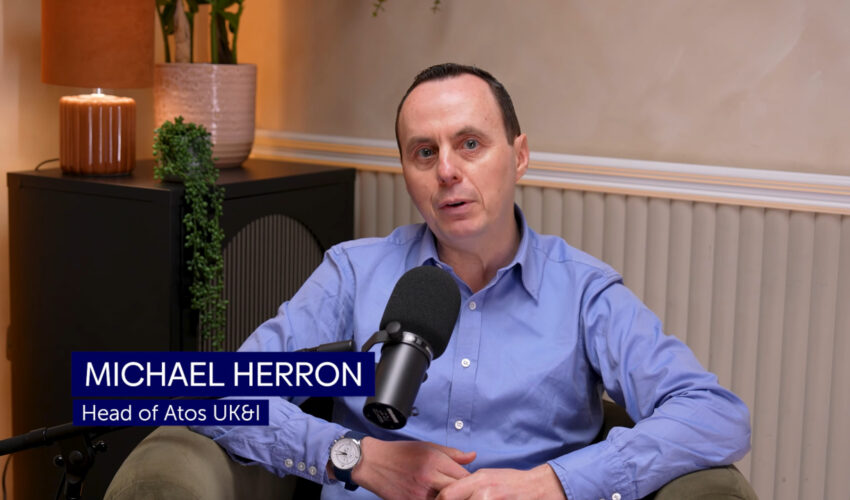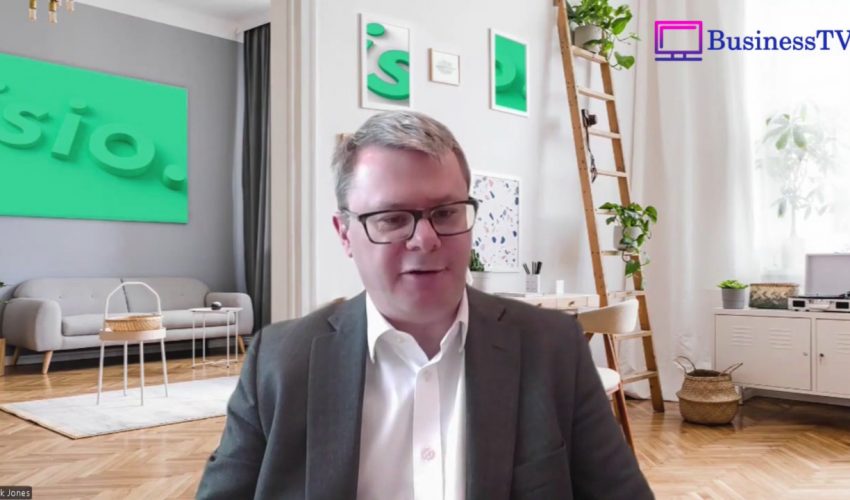
To say that the rise in national insurance contributions has been universally unpopular would be somewhat of an understatement. However, there is help at hand. And today I’m delighted to be joined by Mark Jones, who’s a partner of at Leading Pensions and Benefit Consultancy, ISIO, to talk to us about a very popular strategy that both the employer and employee can agree to adopt, which essentially enables both employer and employee to reduce the contributions that they make towards national insurance, while at the same time allowing the employee to be able to place more money into their pension pot.
Q 1. Encapsulate for us please Mark the broad concept here?
Q 2. Take us through the main advantages, and knock on advantages, of doing this would you please?
Q 3. Can this approach be used with any type of workplace pension?
Q 4. May the employer, the company, use the National Insurance contribution savings they generate how they please?
Q 5. In your experience Mark, what do most employers tend to do with the savings they generate?
Q 6. In relation to how the employer chooses to use these savings, is this something they have to explain to the employee[s]?
Q 7. Is a Salary Sacrifice scheme usually set up for all employees, or are they selective in some way?
Q 8. Is there a limit to how much of their salary an individual employee can sacrifice?
Q 9. Do some employees ever choose to allocate a large portion of their salary to this model?
Q 10. Can a Salary Sacrifice agreement be abandoned at any time, either by individual employees or perhaps even the employer?
Q 11. Can you give us some examples of when you wouldn’t recommend Salary Sacrifice, or when it can’t be used?
Q 12. Could you tell us please at what point does Isio step in and help? When typically does, should, your work start?
Q 13. Perhaps I could ask you to talk us through all the areas you help your clients with. Administration, Communication, Compliance?
Q 14. How does the communication, the introduction of this concept, to the employees actually work in practice?
Q 15. Typically, how complicated is it to review the benefits packages of the workforce?
Q 16. Can Salary Sacrifice be used in a similar way to fund other benefits, and if so, can Isio [you Mark] help here too?
Q 17. I’m assuming Mark that Isio sets the clients’ accounts / payroll department up with all they need from the outset?
Q 18. What is the setup time from start to finish to get the Salary Sacrifice scheme properly installed?
Q 19. Please tell us about Isio’s office network and how that facilitates with face to face meetings and what initial steps look like?
Salary Sacrifice: The Smart Way to Cut NI and Boost Pensions
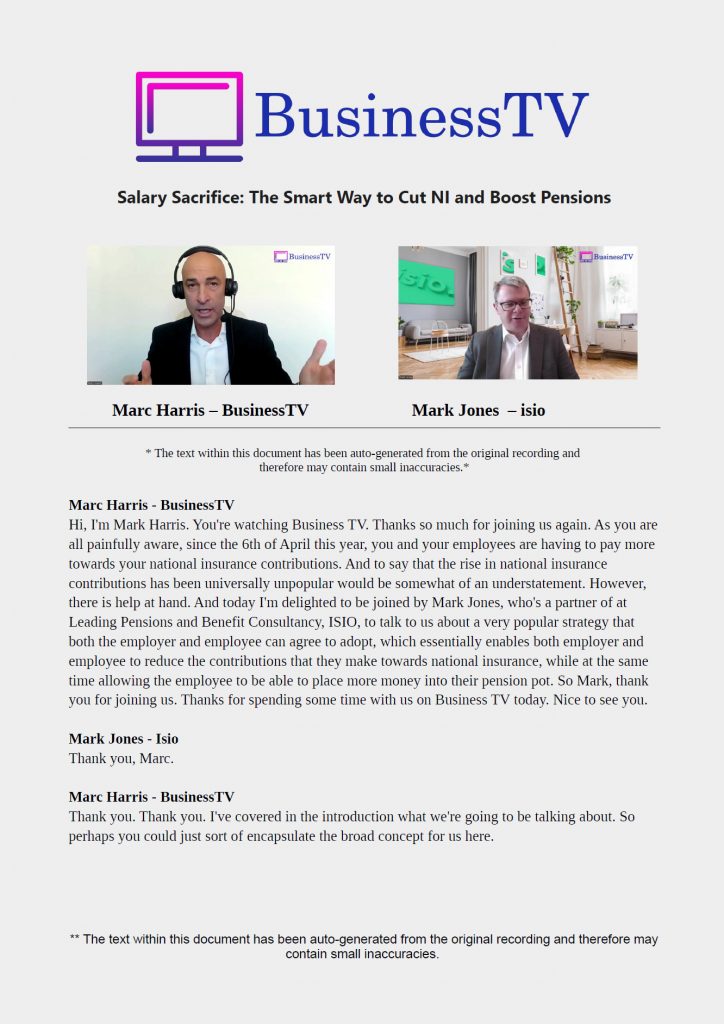
Salary Sacrifice: The Smart Way to Cut NI and Boost Pensions
* The text within this document has been auto-generated from the original recording and therefore may contain small inaccuracies.*
Marc Harris – BusinessTV
Hi, I’m Mark Harris. You’re watching Business TV. Thanks so much for joining us again. As you are all painfully aware, since the 6th of April this year, you and your employees are having to pay more towards your national insurance contributions. And to say that the rise in national insurance contributions has been universally unpopular would be somewhat of an understatement. However, there is help at hand. And today I’m delighted to be joined by Mark Jones, who’s a partner of at Leading Pensions and Benefit Consultancy, ISIO, to talk to us about a very popular strategy that both the employer and employee can agree to adopt, which essentially enables both employer and employee to reduce the contributions that they make towards national insurance, while at the same time allowing the employee to be able to place more money into their pension pot. So Mark, thank you for joining us. Thanks for spending some time with us on Business TV today. Nice to see you.
Mark Jones – Isio
Thank you, Marc.
Marc Harris – BusinessTV
Thank you. Thank you. I’ve covered in the introduction what we’re going to be talking about. So perhaps you could just sort of encapsulate the broad concept for us here.
Mark Jones – Isio
Sure. So in this kind of arrangement, an employee will agree to give up or sacrifice part of their salary. But in return, they get something from their employer of equal value. And the main example of that is pension contributions. So an employee might agree to give up, say, £100 a month of their salary. But in return, the employer says, I’ll give you an extra £100 a month for pension contributions. Now, you might think, well, sort of what’s the point of that, really? Because surely the employee could just get their normal salary and then pay £100 into their pension anyway. And they could do that, but by structuring it in this way, there’s a national insurance saving both for the employee and for the employer. So by using this salary sacrifice route, you get the same amount going into an employee’s pension, but you’ve saved national insurance and that’s both for the employee and for the employer.
Marc Harris – BusinessTV
So the money that is being taken off, the contribution, it’s coming off the gross salary figure?
Mark Jones – Isio
Exactly, that’s right. So because you’re now paying a lower salary as the employer, because you’re paying a lower salary to the employee, you’re not paying employer national insurance on that. And the employee isn’t having to pay employee national insurance on it either. And then as an employer, you’re paying extra money into their pension pot instead.
Marc Harris – BusinessTV
So on the surface of it, ostensibly, that just seems like a win-win for both parties. I suppose there’s going to be some specific steps circumstances or caveats to that that we’ll probably cover later. Can you sort of elaborate more on these advantages for us then just why why why both the employer and the employee want to do this?
Mark Jones – Isio
Yes so you’re quite right. It really is a win-win. So from the employer’s point of view, they save tax, they save national insurance. From the employees point of view, they’ve got higher take-home pay and and the same amount goes into pension. There are even some employers who do go a little bit further and some employers will give an uplift to what goes into the pension pot to share some of the employer national insurance saving that they’ve received as well. So you don’t have to do that as an employer, but some employers do go even a step further.
Marc Harris – BusinessTV
Since auto enrolment, every company has got a workplace pension scheme. So is this approach applicable to any type of Any pension scheme?
Mark Jones – Isio
Yeah, so you can do this with pretty much any scheme. Really, you just have to make sure that the way your scheme is set up, employees themselves do have to have to make a pension contribution. So in the vast majority of cases, that’s how pension schemes work, the employer will pay some money in and the employee will pay some money in. And as long as you’ve got that kind of setup where the employee is being asked to pay some of their money in then this structure works.
Marc Harris – BusinessTV
What must the employer do with those savings? Are there do’s and don’ts here, Mark? I mean, are there things that they have to do with those savings or can they decide to say, oh, I’ve got a bit of extra cash for the business and I will place it here, for example, and that’s got nothing to do with pension schemes. Are they allowed to do that?
Mark Jones – Isio
Absolutely. You’ve got complete flexibility. So from the employer’s point of view, the reality is your national insurance bill is just a bit lower than it would otherwise have been. And what you do with that money is completely up to you.
Marc Harris – BusinessTV
And in your experience then, what do most employers do with the money?
Mark Jones – Isio
Yeah, so it’s a really mixed picture actually. There are a lot of employers who will take that saving and look at how they can reinvest it in the employee benefit package. One big example of that has been obviously since COVID, there’s been a huge focus about employee wellbeing. And this isn’t just a nice thing for employers to do. This is really about how do you help bottom line how do you help deal with productivity absenteeism if you offer some medical benefits to your employees you may have seen that those insurance premiums go up a lot in the last couple of years and so a lot of employers are looking at employee well-being programs so looking at mental health physical health and that’s really about again helping the bottom line because those have benefits for productivity for cost of your, of your medical insurance claims and so on. So it’s not just about being nice to your workforce, but it’s also about helping the bottom line. And a lot of those well-being programs have been, have been paid for by the savings, which have come from salary sacrifice.
Marc Harris – BusinessTV
Is the employer, obviously if the employer is allocating the money to things like workplace well-being programs or indeed any kind of other staff benefit, then of course, naturally, they’re going to want to let the employee base know that they’re doing that, of course, why wouldn’t they? But is the employer obliged to let the employees know what they, the employer, are doing with the savings that they are making as a result of implementing salary sacrifice?
Mark Jones – Isio
You’re not required to make any disclosure and most employers don’t. So most employers would just put the scheme in place and then they explain to their workforce how the scheme works, but they won’t go and explain this is what we’re doing with the money we’ve saved. And it can be in reality, it can be quite hard to track that because all that’s really happening is you’ll NI bill is lower than it would otherwise be. So it can actually be quite hard to really track and say definitively what you’re doing with that money. So most employers don’t. The only time, as you say, if they’re specifically redirecting that towards a new, say, wellbeing programme, or if they are sharing some of that national insurance saving back with the employee and giving an uplift to pension contribution, then clearly they’d they’d want to explain that very clearly. But most employers won’t go into that kind of disclosure.
Marc Harris – BusinessTV
Well, that’s good news, isn’t it? Because that means that nobody needs to overthink it. It doesn’t need to get overcomplicated and the employers suddenly don’t have to feel in any way accountable to the employee base for the extra money that they’re saving. So that makes sense. Are these schemes always set up, Mark, for all of the employers? employees or do they have to be? Is it selective to people? Could you perhaps explain how that works?
Mark Jones – Isio
So generally, there will be set up for all employees. As you said, employers do not have to auto enroll employees into a pension. And if you start trying to segment and offer this to certain people and not to others, then that can get a little bit complicated from an auto enrollment perspective. So generally, they’d be offered to everyone. Employees would have the right to opt out. Often they’ll be set up where the kind of default position is that an employee is opted in, but employees would always have the right to opt out. And in particular, one thing you need to take care with as an employer is national minimum wage, because where employees, even though employees themselves are choosing to reduce their salary, you still have to make sure that even with that lower salary, you are covering national minimum wage. And so what most employers will do is within their payroll, they’ll have a monthly check that says, even with the lower salary that we’re now paying, are we still paying at least national minimum wage? And it’s actually one of the big reasons for accidental breaches of national minimum wage is not doing that kind of check. So it’s an important kind of process to build into your payroll.
Marc Harris – BusinessTV
It’s interesting then how the national minimum wage minimum wage is defined because obviously from the government’s perspective, they’re viewing that as what the employee actually ends up with at the end of the month, irrespective of what they’ve chosen to do with it, which was going to lead me to my next question. So that’s kind of, I’ve answered my next question, which is, which was going to be, is there a limit to how much the employee can decide to salary sacrifice? Obviously there is a limit if it brings them below the take-home pay for the national minimum wage. Um, but if we’re thinking about employees that are not hovering around the national minimum wage bracket, uh, can theoretically an employee say, I’ll sacrifice all of my, um, my, my paycheck down to that very minimum level that I’m, that I must, that I must meet if I want, if I want to boost my pension pot, for example, can they theoretically do that?
Mark Jones – Isio
They can. Uh, so as long as you’ve got that national minimum wage, uh, minimum level, if you like, um, then employees can actually voluntarily say they want to have a huge reduction in their salary. If you’re talking about pension contributions, then there is an annual allowance of £60,000 a year that you can pay into your pension and still get tax relief. Now, for the vast majority of employees, that’s not a problem. Most people don’t put anywhere close to £60,000 a year into their pension. But that’s something to be aware of. And that limit, what’s called the annual allowance, is actually a little bit lower. Well, it can be quite a bit lower for higher earners and for a couple of special cases. So it’s always worth double checking. But in principle, yes, employees could sacrifice a very large proportion of their salary.
Marc Harris – BusinessTV
Do you ever see that happening? Perhaps an employee who hasn’t got much of a pension pot, they’re approaching retirement age, they’re thinking, my goodness, I really need to pull my finger out and I can do this. for a few years. Does that happen? Do you see that in your sort of accounting administrative work?
Mark Jones – Isio
Yes. I mean, I’ve seen sort of 50% of salary being sacrificed in the past because in addition to the normal pension contributions that employees have to make, employees can always choose to pay additional voluntary contributions into their pension. And so you can do that through this salary sacrifice approach as well. So yes, I do see employees doing 50% or have in the past seen even higher than that.
Marc Harris – BusinessTV
Well, it’s useful to know that that’s an option for those that want to adopt that approach. What happens if at some point an employee thinks, oh, I don’t want to do this anymore. I can’t think of why that would be the case, but I guess circumstances will present themselves, which mean that that might happen. So what about sort of abandoning individual employees abandoning doing this or indeed the employer no longer wanting to do that for some reason? Again, I can’t think of any, but can that happen? Does it happen?
Mark Jones – Isio
Yes, so employees can opt out at any time. That’s an important safeguard. Employers will generally put some kind of restriction about how often you can move in or out of salary sacrifice. And the reason for that is it is a contractual change to your salary. And from HMRC’s point of view, whilst this is an approved method of going through a process that leads to paying lower tax, HMRC don’t want people flipping in and out of salary sacrifice. And so generally employers will put some kind of restriction around how often you can move in or out, or whether there has to be a life event, that kind of thing. that might change in your life in order to prompt you to make a change. But as a safeguard, employees can always opt out at any time.
Marc Harris – BusinessTV
I’m sure there are some, not disadvantages, but I suppose reasons or circumstances when it wouldn’t be appropriate for salary sacrifice to be adopted. Can you think of any of what they might be? Are there any certain types of employers with certain types of employee bases? where it’s not where you wouldn’t, for example, um, Isio wouldn’t advise that they, that they presented that as an option?
Mark Jones – Isio
Yes. So, so there’s a couple of areas. So, uh, obviously the national minimum wage we’ve already talked about. So if you’ve got a workforce, which is close to national minimum wage, then it probably won’t be right for you as an employer. Um, you also need to be quite careful when you implement it, that you don’t accidentally affect, um, other benefits which are linked to salary. So if I take an example of life insurance, lots of employers might provide a lump sum death benefit or say four times salary. And if you’re reducing your salary contractually, then the risk is that suddenly you find you’ve got lower life insurance than you did before because it’s linked to the level of your salary. Now, there are ways around that. Effectively, you take your other employee benefits which are linked to salary and you say, those will be based on your salary before any sacrifice you make. So there’s an easy fix for that, and it’s just something you do when you design and implement the scheme, but it’s something you do need to have in mind and do need to take care about to make sure you don’t inadvertently do that. One other area is around statutory benefits. So statutory maternity pay, for example, because you are reducing your salary here, that can… that can affect the level of statutory benefits you might be entitled to. So again, the key way employers deal with that is by making sure, a bit like the national minimum wage example, making sure you don’t go too low in terms of how much salary you’re allowing employees to sacrifice. So you avoid it getting to too low a level where it would impact statutory benefits.
Marc Harris – BusinessTV
At what point does a company say, well, look, if we think this might be a good idea, we need professional help. When do you step in and what sort of things do you start to look at initially?
Mark Jones – Isio
Sure. It is important to take advice. Obviously, I would say that, wouldn’t I?
Marc Harris – BusinessTV
It does sound important to take advice, genuinely. So I think it’s a fair comment.
Mark Jones – Isio
We get involved right at the start. So we would very quickly… work with an employer to look at the workforce to say how many people might be able to take advantage of this. Again, that classic example I’ve referred to before of national minimum wage. We can quickly look and say, well, actually, you’ve got lots of people here who are close to minimum wage. And therefore, even though this is quick to do, simple to set up, it’s not actually a big implementation cost. Clearly, there is still some financial cost and administrative work involved to get it set up. And so there will be some employers where we say, actually, the financial savings probably just aren’t big enough to justify this. But we do that right from the start, effectively. And we can do that very quick sort of feasibility analysis. So if for any reason it’s not right for you as an employer, then you don’t have to invest more time and money in going further down the road.
Marc Harris – BusinessTV
And you’re able to quite quickly look at the employee base and say, yep, it’s a good idea or probably it’s not a good idea because nobody’s really going to make any significant benefits from it.
Mark Jones – Isio
Exactly. And it may be as simple as a five minute conversation actually to talk through your business and just work through, is this going to be right for you or not? And we’re obviously always happy to have anyone contact us and we’ll have that quick conversation with them just to give them a view on whether it is likely to be worthwhile for them or not.
Marc Harris – BusinessTV
And then once that’s happened and assuming the company is right for, um, salary sacrifice for employee pensions and everybody agrees that that’s a good idea. Um, do you then step, I mean, I’m sure this is your bread and butter business. So do you then step in and do you help think with things like employment contracts, for example?
Mark Jones – Isio
That’s right. So we’ll help you making sure you’ve got all the, all the right forms in place. We’ll have, we’ll work with you to go through your payroll, uh, support you in any payroll changes you need to make. Because once you’ve got the payroll done, this all works in a very automated way. It’s not that you’re having to sort of sit there every month doing separate calculations. So we’ll help you build that into payroll. And then communications with the workforce is really important. As you can imagine, if you’re going to employees and saying, we’ve got a an arrangement here where you agreed to give up part of your salary, that conversation needs to be handled quite carefully. Now, in reality, once you take employees through it, they understand it, they’re very supportive of it. And we’ve got experience of doing that both on a one-to-one basis with employees or in group sessions or taking trade unions through this. So ultimately, it’s very clear to everyone that this is a win-win. they are, employees are receiving themselves a financial advantage from it, but it definitely does need to be handled carefully and those communications are important.
Marc Harris – BusinessTV
Yes, I can imagine so, because I can certainly see a scenario where a company owner or a company director, with all the best intentions, presents this to an employee base, but they don’t do it particularly well. And as you sort of alluded to there, the employee is just perceiving this as something strange that the company is doing, which means that I’m going to be getting less money at my paycheck, and why would I want to do that? And many employees, perhaps often rightly so, can be suspicious of the antics that their employers get up to. So, of course, that does have to be presented very carefully and explained very well. especially considering that the vast majority of us are all sort of, unless one’s in a position like you are not particularly financially as well educated as we should be. So can I ask how does that actually work in practice? You mentioned sort of like a sort of one-to-one meetings or sort of group sessions. Is that, is that what happens? What you sort of go into the company and there’ll, there’ll be an opportunity for employees to, to come together and ask you questions. Is that how it works in practice?
Mark Jones – Isio
That’s right. And it is quite nice after COVID to get back to doing some of this in a face-to-face format. Obviously, during COVID, we had to switch to a lot of webinars and remote approaches, which worked okay. And we actually still do some of those because a lot of employers do either have remote working or hybrid working. But we are now back to a lot more face-to-face contact. So we do, depending on the size of the workforce, we do group presentations. We obviously support with all the written materials as well, but in terms of actual face-to-face contact, group presentations, one-to-ones, drop-in surgeries, and it does make a huge difference. As you say, pensions are complex and this idea of giving up part of your salary people do get very concerned about it and so just being able to sit down, lock someone in the eyes and have that have that real conversation about what’s happening uh really does go a long way to put people’s minds at rest.
Marc Harris – BusinessTV
When it comes to looking at the obviously the the other employee benefits, you mentioned life insurance as an example that the company might have in place for employees and the potential impact that lowering the salary can have on the ultimate, you know, the payout of a example a life insurance policy in your experience is is is it normally the case that you’ve only within an employee benefits landscape for any individual company there’s maybe it’s kind of a blanket approach for everybody so it’s only something that needs to be looked at once or in your experience is it the case that very often there’s lots of individual employees who all have a slightly different benefits package to the other employees. And I’m just trying to think how time consuming it might be to be able to go through everybody on a case-by-case basis. Or how does that typically work?
Mark Jones – Isio
So so they’ll typically be a an overall package, although we do see if you’ve if you’ve brought people in on different contracts, or if you’ve um if you’ve gone through acquisitions, you might have different parts of the workforce who are on different benefit packages.
So there can sometimes be a little bit of work to do and it can be a good opportunity. We’ve seen employers do that. As I said before, you can take some of the national insurance saving you’re making and reinvest that in the employee benefit package. And that can be a good way if you have got people on slightly different terms and conditions just for historical reasons, then effectively having some of that extra money can give you the flexibility to harmonise those and get everyone onto an equivalent package going forward. But there are, in terms of the national insurance benefits available through salary sacrifice, HMRC have tightened up the rules over the years.
So there’s a smaller range of benefits that actually benefit from from the salary sacrifice and saving national insurance if you go down that route. So pensions is now by far the sort of biggest issue here. Having said that, we’ve still got things like electric vehicles, cycle to work schemes, some childcare vouchers. So there are still some other benefits other than pensions where salary sacrifice can still work and give you a national insurance saving, although it has been tightened up over the years.
Marc Harris – BusinessTV
If that is something that companies and employees want to explore further, is that something that Izio can also help with?
Mark Jones – Isio
Absolutely. Yeah. So, so we, we can take you through, we can take an employer through the, the, the full range of, of benefits that will be eligible. As I say, it’s, it’s pensions that tends to give the biggest financial saving. Electric vehicles is, is also potentially very large and attractive to, to the workforce. Although it’s a, It’s a more binary thing. Some people will want to take an electric vehicle, some won’t. And then things like cycle to work and childcare tend to be a smaller part of the workforce who take advantage of it. But having said that, for those people who do take advantage, they are passionate about the financial benefit that can give.
Marc Harris – BusinessTV
Obviously, there’s the administrative side of this, the accounting, the monthly payroll. of course has to reflect all of these changes that are going to be made but i’m assuming that what one part of the work that you do is that when you are setting this up you’re also helping the accounts department within the company set everything up properly um so that they just carrying on as normal once all that is set up is that a fair assessment of how it would work?
Mark Jones – Isio
That’s exactly right. So I think the key thing is to invest the time up front to make sure you’ve got the A, you’ve got the paperwork done, but B, you’ve got the payroll set up. So this thing runs in an automatic way in future months. So that would not only be processing the salary reduction, but allowing for where employees choose to change the level of their pension contribution, that’s set up. And also you’ve got that monthly check around national minimum wage. And so that’s, again, that’s set up in the right way. So, yeah, we always say to employers, make sure you invest the time up front so that you’re not having to go back and check this each month. And then we do also offer health checks for employers so we can come in after 12 months and just check that everything has continued to be running smoothly in that first 12 months.
Marc Harris – BusinessTV
And talking about the amount of time that needs to be set aside to make sure that everything’s done properly, for example, how long does the process take from start to finish? From a company deciding, yes, look, this makes sense for us to do, or indeed right from the very beginning, you going in, making the assessment, and then setting everything up. How much time is needed to be allocated from the people who own the business or their finance department or their accounts team? How long does it take?
Mark Jones – Isio
Yeah, so the overall process from start to finish would be a few weeks to get all the paperwork in place and just just work through the payroll changes, that kind of thing. And it is very simple. It’s a very tried and tested route. So a couple of days in part from the company owner or the HR team would be all that’s needed. So it really is a very simple change to make that does deliver a clear financial benefit.
Marc Harris – BusinessTV
Right. And of course, the better documentation that the company’s finance or HR department have on being able to get all those, that sort of digital documentation to you in terms of the benefits that are being offered etc all that helps speed up the process, doesn’t it?
And, and also i just wanted to let viewers know, and, or indeed ask you about this as well, because again, it’s something that you did mention earlier. Isio i forget memory set doesn’t, I don’t remember exactly how many offices you have, but you’re all up and down the country, aren’t you? And you did mention about being able to come in and meet people. And very often, sometimes that’s, I mean, there’s quite a lot of advantage to you having the national presence that you do and having offices all around the country, isn’t there?
Mark Jones – Isio
Absolutely. So we’ve got 10 offices all over the country. We’ve got 1300 people. So, and yeah, Now in our post-COVID world, we are very pleased to be back out seeing people face-to-face all over the country. So absolutely, wherever employers are located, we’d love to speak to them and we’d love to pop around to see them.
Marc Harris – BusinessTV
As you said earlier, the first step is just making an assessment as to whether or not this is right for you…So again… people can just get in contact with you and arrange for you to come in and have that initial discussion, can’t they?
Mark Jones – Isio
Absolutely. And I think I said before, you know, it may just be a five minute call. And worst case, if this isn’t right for you because of the profile of your workforce, then it’s just a five minute call to talk that through and figure that out, whether it could be right for you or whether it’s not right. But it’s not a big investment of time.
Marc Harris – BusinessTV
Well, thanks so much, Mark, for joining us on Business TV today and taking us through this. I mean, it really, it does genuinely seem it’s like a real win-win for both employer and employee. So it’s been very interesting to hear you explain how it works. And I think hopefully our viewers will understand that if they reach out to yourselves there, they’re going to be in safe hands when it comes to assessing the merits of this and indeed then going ahead and implementing it. So thanks very much for sharing your time with us. this morning thank you
Mark Jones – Isio
Thanks Marc it’s been great to speak to you
Click here to get in touch with Mark and the isio team using this short form
For information on how to unsubscribe, as well as our privacy practices and commitment to protecting your privacy, please review our Privacy Policy at https://isio.com/privacy-policy/

Mark Jones – Partner
I have 25 years’ experience in the pensions and benefits industry, supporting employers and trustees on all aspects of employee benefits and reward.
I am passionate about using the technical and analytical skills we have at Isio to help companies understand their workforce and put in place policies to support the financial wellbeing of their employees.



Isio employee benefits services.
The provision of employee benefits is one of the biggest areas of spend for most organisations.
That’s why we help our clients enhance the value of their benefits package, challenging the often overly traditional thinking common in this area.
That way we help them boost productivity, while improving employee financial wellbeing, retention and recruitment.